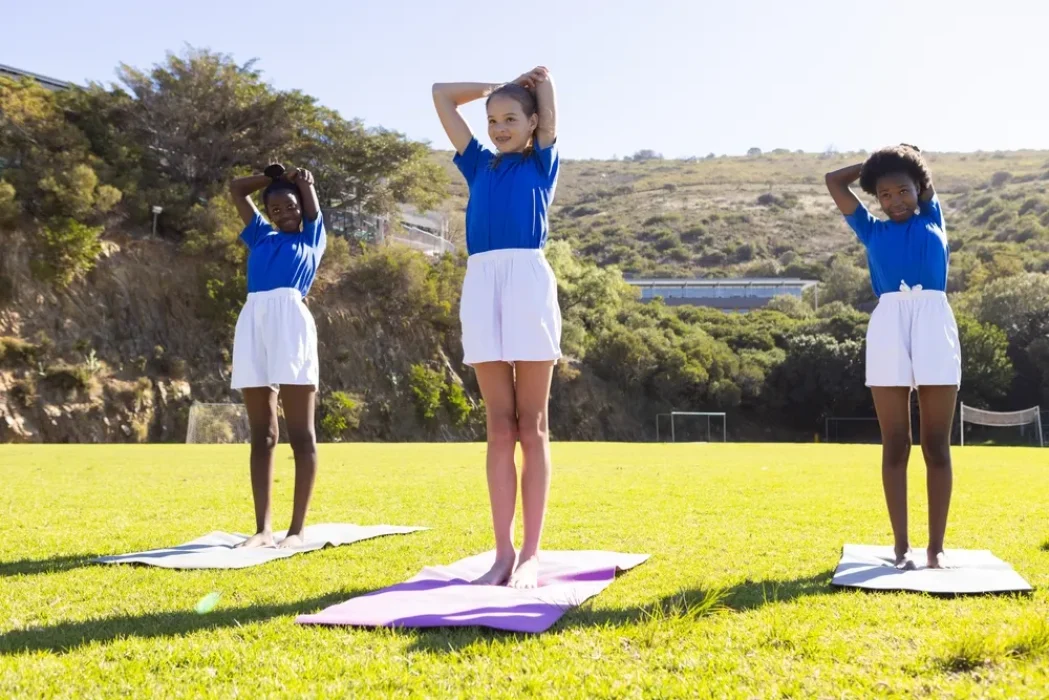
Finding an activity for your child becomes complicated once you begin comparing coaches, class formats, schedules, locations, and experience levels. Will the coach welcome a beginner? Should your child start privately or in a group? Most importantly, will your child enjoy the experience enough to return?
For families searching for trusted active classes in Orange County, the best program is not necessarily the most competitive or the one with the longest list of accomplishments. It is the program that recognizes the child standing in front of the coach and creates an appropriate path for that child to move, learn, participate, and progress.
Fit First offers Orange County families access to private youth training, small-group and group classes, team and individual sports, adaptive and special-needs-friendly programs, creative movement, athletic conditioning, camps, birthday parties, field days, and school or community partnerships.
Instead of expecting every child to enter through the same door, Fit First provides several possible starting points.
One child may be ready to join a soccer group immediately, while another may benefit from learning the fundamentals privately before practicing with peers. A child who does not enjoy traditional sports may become excited about dance, yoga, parkour, or Ninja activities. A child with sensory, communication, coordination, or attention-related needs may participate more successfully when the coaching style, instructions, and pace are thoughtfully adapted.
The goal is not to force every child into the same type of sports class. It is to help families find an activity and learning environment that fit their child.
Movement should not feel like a prescription or punishment. The Centers for Disease Control and Prevention recommends that children ages three to five remain active throughout the day. Children and adolescents ages six to seventeen should get at least 60 minutes of moderate-to-vigorous physical activity each day.
One class does not need to provide all of that daily activity. A valuable class can help a child discover enjoyable ways to move, develop foundational physical skills, and become more willing to stay active beyond the session.
What Should Parents Look for in a Trusted Kids’ Activity Program?
Parents do not need to be sports experts to evaluate a youth program. They do, however, deserve clear answers about who will teach their child, what the class is intended to accomplish, and how the program responds when children learn differently.
Look beyond athletic ability when evaluating a coach. Playing a sport well and teaching it effectively to a child are two different skills.
A strong youth coach should be able to break a movement into understandable steps, demonstrate it in more than one way, recognize when a child is confused, and offer correction without making the child feel defeated. Technical knowledge matters, but patience, communication, judgment, and experience working with children matter just as much.
Parents should ask about the specific coach assigned to the program. Does the coach regularly work with children in this age group? Do they have experience with beginners? What is their background in the selected sport or activity? If the child needs adaptive support, has the coach worked with similar learning or participation needs?
Instruction should also be developmentally appropriate.
A toddler movement class should not resemble an athletic conditioning session for a teenager. Younger children generally need shorter directions, playful repetition, simple goals, and frequent changes of activity. Older or more experienced participants may be ready for structured drills, progressive conditioning, detailed technical correction, and sport-specific goals.
Age is only one measure of readiness. Two children of the same age may have very different levels of coordination, confidence, attention, and previous athletic experience. Trustworthy coaching begins with the child’s current abilities rather than making assumptions based only on age.
A strong program should also have a positive approach to beginners. Children need permission to miss, ask questions, repeat a skill, and improve without being constantly compared with more experienced participants.
Some children can follow one demonstration and begin practicing. Others need a visual cue, additional repetition, a simplified direction, or a quieter learning environment. The class format should provide enough attention for the child to understand what they are being asked to do.
Before enrolling, parents should confirm the venue, age range, necessary equipment, hydration expectations, drop-off procedures, and injury policies. Families should also disclose allergies, medical conditions, mobility needs, previous injuries, or behavioral safety concerns.
If a health condition could affect a child’s ability to exercise safely, parents should consult an appropriately qualified healthcare professional.
What Active Classes Does Fit First Offer in Orange County?
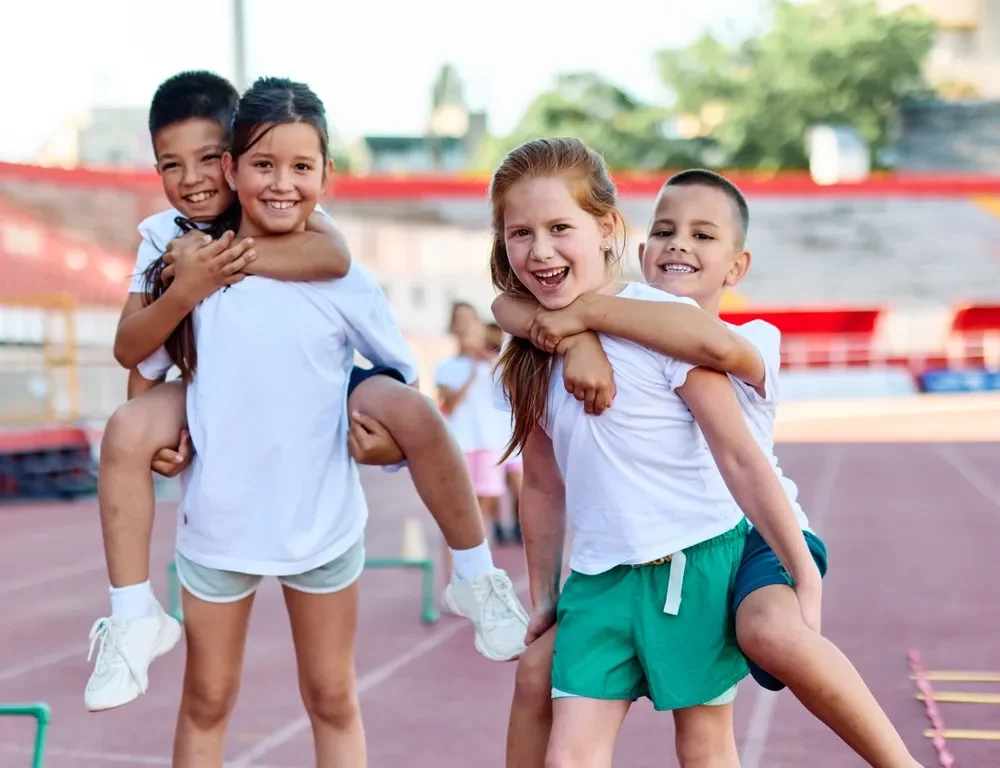
Fit First brings multiple forms of sports, fitness, and movement together under one youth-focused organization. Availability may vary by city, season, venue, age group, and coach, but families can explore several program categories.
Beginner Movement, Yoga, and Early Active Play
For toddlers, younger children, and first-time participants, Fit First offers activities such as Music and Wiggles, toddler yoga, youth yoga, general fitness, multi-sport classes, and beginner-friendly movement experiences.
These programs introduce children to running, balancing, jumping, throwing, listening, following directions, and moving with others without requiring them to specialize in one sport too early.
A varied movement program can be especially helpful for children who are still discovering what they enjoy. One child may become interested in ball sports, while another may prefer music, balance exercises, yoga, or obstacle-based movement.
At this stage, enjoyment and positive participation are often more important than sport-specific performance.
Team and Ball Sports
Fit First’s sports options include basketball, soccer, flag football, floor hockey, rugby, pickleball, Frisbee, and multi-sport programming.
Depending on the class format, children may work on fundamental skills, coordination, game awareness, decision-making, communication, and participation with teammates.
Team sports can be exciting for children who enjoy shared goals, game situations, and practicing with peers. However, a group environment may feel overwhelming to a child who is unfamiliar with the rules, uncomfortable being watched, or still developing foundational skills.
In those situations, private or small-group coaching may provide a more comfortable introduction before the child joins a larger class.
Private Sports Coaching and Individual Skill Development
Private youth training gives a coach more flexibility to adjust the session around one child’s goals, experience, learning pace, and current abilities.
Private Fit First sessions may include tennis, basketball, soccer, boxing, general fitness, coordination, balance, reaction training, and other forms of sport-specific development.
Private coaching may be appropriate for a child who:
- Wants a lower-pressure introduction to an activity
- Needs more demonstrations or repetition
- Has a specific skill they want to improve
- Becomes distracted or anxious in larger groups
- Wants to prepare for team participation or tryouts
- Benefits from adaptive instruction and individual pacing
One-on-one coaching is not automatically better than group instruction. It simply provides a different learning environment. For some children, it is the most productive place to begin.
A child can start privately, develop foundational skills and confidence, and then transition into a small group or team environment when ready.
Martial Arts and Self-Defense Activities
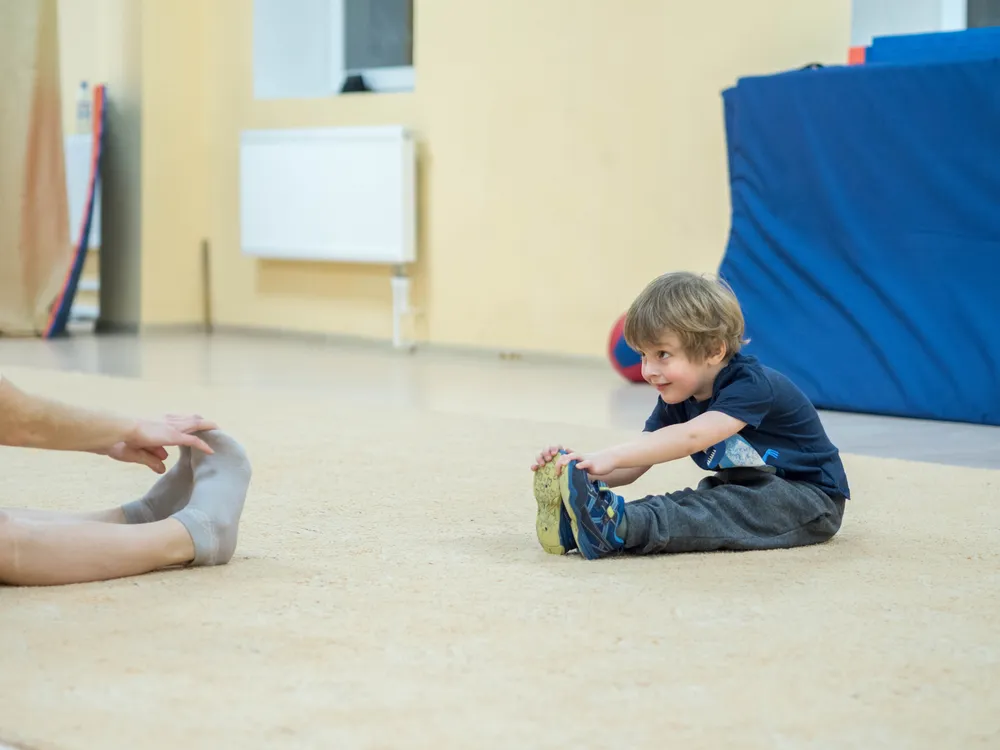
Fit First’s program mix also includes boxing, MMA and self-defense, Brazilian Jiu-Jitsu, and Muay Thai.
These activities may involve progressive skill practice, physical fitness, balance, coordination, controlled movement, and careful attention to technique.
Before registering, parents should confirm the precise class format, age expectations, contact level, safety requirements, and experience of the assigned coach.
The right martial arts or self-defense program will depend on the child’s age, maturity, comfort level, goals, and previous experience.
Dance, Yoga, and Creative Movement
Not every child connects with competitive sports or traditional ball games.
Fit First offers dance, adaptive dance, yoga, toddler yoga, Music and Wiggles, and other creative movement experiences. These programs may appeal to children who respond positively to music, rhythm, patterns, imagination, and self-expression.
Creative movement can provide a welcoming way for children to stay active without feeling pressure to compete. It can also help families discover that a child who appears uninterested in sports may simply prefer a different type of movement experience.
Fitness, Conditioning, Ninja, and Obstacle-Based Activities
Fit First offers fitness and strength conditioning, agility, balance, coordination, speed and reaction training, Ninja and parkour activities, and Junior Ninja Warrior experiences.
Obstacle-based programming can be particularly engaging for children who enjoy climbing, navigating physical challenges, and seeing visible progress from one attempt to the next.
Youth conditioning should always remain age-appropriate, technique-focused, and responsive to the child’s current abilities. The goal should be competent movement, sustainable development, and a positive relationship with exercise rather than adult-style training pressure.
Adaptive Fitness and Special-Needs-Friendly Programs
Fit First offers special-needs training, adaptive fitness, adaptive dance, socializing through sports and fitness, private instruction, and inclusive group options.
These programs may be suitable for children who benefit from a different instructional pace, more predictable structure, clearer communication, fewer distractions, repeated demonstrations, or a gradual introduction to activities involving peers.
Adaptive coaching does not mean automatically reducing expectations. It means finding an appropriate way for the child to understand the activity, participate safely, and experience meaningful progress.
The National Center on Health, Physical Activity and Disability emphasizes that physical activity programs can become more inclusive by adapting environments, equipment, individual skills, and instructional methods.
Depending on the child and program, an adaptive approach may include:
- Giving one direction at a time
- Using visual demonstrations
- Modifying the size or weight of equipment
- Simplifying a rule or activity
- Adjusting the speed of instruction
- Allowing additional processing time
- Planning appropriate breaks
- Reducing unnecessary performance pressure
- Starting with private coaching
- Gradually introducing peer participation
Every child is different. Families should discuss their child’s needs with the Fit First team before assuming that a particular accommodation will be available in every program or location.
Camps, Birthday Parties, Field Days, and Special Events
Fit First extends beyond traditional weekly classes.
Families and organizations can explore summer camps, active birthday parties, school field days, community events, and customized fitness experiences.
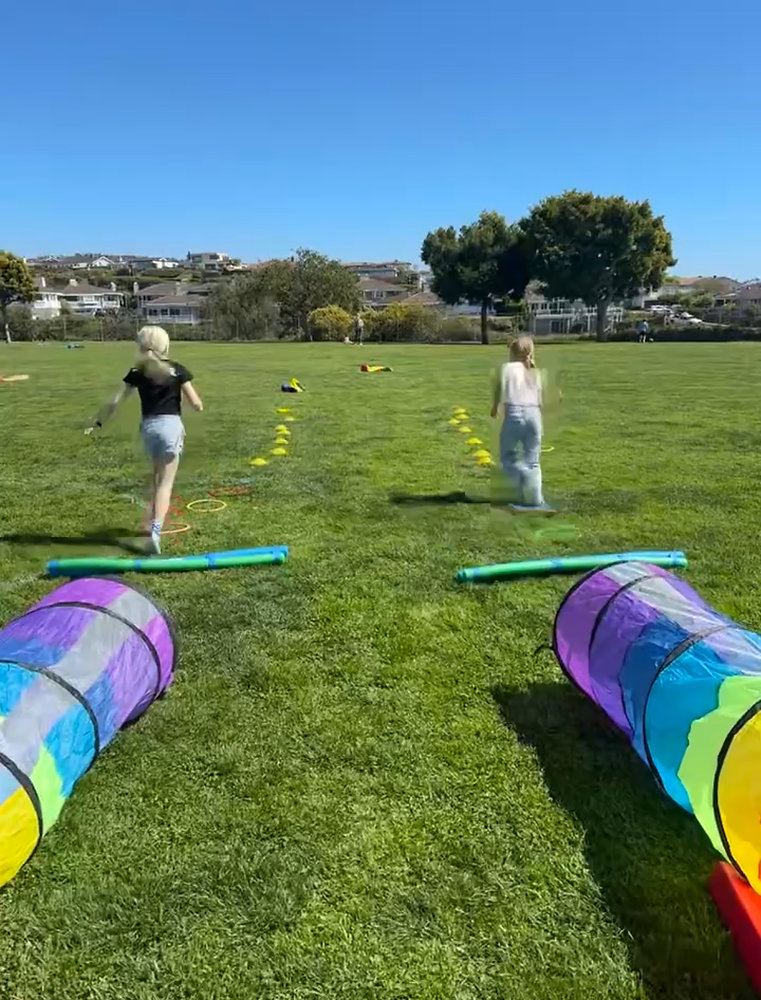
Depending on the event, activities may include sports stations, relay games, obstacle courses, team challenges, fitness games, yoga, Ninja-style movement, and creative activities.
These formats can help families, schools, homeowners associations, community centers, and youth organizations offer active programming without needing to design every station, provide all the equipment, or manage the entire event flow independently.
Fit First also offers school and community partnerships that may include after-school sports, enrichment programs, toddler movement, youth yoga, multi-sport activities, seasonal camps, and customized events.
Which Fit First Program May Be Right for Your Child?
A child who is completely new to structured activities may benefit from multi-sport classes, beginner fitness, yoga, Music and Wiggles, or another introductory movement program. These options allow children to explore different skills before choosing one sport.
A child who needs focused attention may benefit from private one-on-one coaching. This format allows the coach to adjust the pace, demonstrations, and amount of repetition more closely.
A child who wants to improve in one particular sport may explore private or group basketball, soccer, tennis, boxing, martial arts, or other sport-specific coaching.
Children who enjoy teammates and game situations may prefer a team sport or group fitness class. A child who wants peer interaction but still needs more individual support may be more comfortable in a small-group or socializing fitness program.
Children who prefer music, imagination, or expressive movement may connect with dance, adaptive dance, yoga, toddler yoga, or Music and Wiggles.
Children who benefit from modified communication or pacing may explore adaptive fitness, special-needs training, private coaching, or an adaptive group option.
Highly active children who love climbing and physical challenges may enjoy Ninja, parkour, Junior Ninja Warrior, fitness, or athletic conditioning.
Families looking for seasonal enrichment can explore Fit First summer camps, while families planning a celebration can consider an active birthday party or customized event.
These suggestions are starting points, not eligibility decisions. Families should discuss the child’s age, interests, experience, and support needs with the Fit First team before choosing a program.
Why the Coach-Child Relationship Matters
Parents often choose a program based on the activity, such as soccer, boxing, yoga, or dance. Children experience that activity through the person teaching it.
The coach welcomes the child, explains the task, responds to mistakes, decides when to slow down, and determines when the participant is ready for a new challenge.
The right coach can make a difficult skill feel achievable. The wrong coaching style can cause a child to decide that they are “bad at sports” when the real problem is that the instruction did not match how they learn.
Fit First founder and head coach Adam Krell brings an uncommon combination of youth education and athletic training to the organization.
According to Fit First’s team information, Adam holds a B.S. in Behavior Psychology with specialization in Child Development and Special Education. He has more than a decade of experience as an elementary special education teacher, is a NASM Advanced Trainer and EMT-B, and has a background in fitness, tennis, baseball, and boxing.
These qualifications support Fit First’s child-centered approach, particularly its focus on different learning styles, readiness levels, and participation needs.
Fit First’s broader team includes coaches with different sports and movement specialties. Parents should still ask about the specific instructor who will work with their child because not every coach has identical credentials or adaptive experience.
Transparent coach matching helps families make informed decisions and gives the child and coach a better opportunity to build a positive relationship.
Private, Small-Group, or Group Classes: Which Is Better?
Private coaching offers individual attention, flexible pacing, targeted instruction, and fewer group distractions.
Small-group training adds peer interaction while allowing the coach to provide more individual attention than would usually be possible in a larger class.
Group classes create opportunities for teamwork, shared challenges, game situations, and learning alongside children with different personalities and ability levels. They may also be more practical for some family budgets.
Parents should consider their child’s comfort around peers, response to noise and distractions, need for repetition, confidence level, interest in teamwork, and current goals.
The decision does not need to be permanent.
A child may begin privately, transition into a small group, and later join a larger class. Another child may feel comfortable entering a group immediately and use occasional private sessions to improve a specific skill.
This ability to move between different activities and learning formats is one of the most valuable parts of Fit First’s all-in-one model.
How to Prepare for an Adaptive or Special-Needs Session
Parents often know important details that a coach cannot learn from a registration form alone.
Before the first session, tell the coach what motivates your child and how your child best understands new instructions. Some children respond well to verbal explanations, while others need a demonstration, visual cue, guided practice, or additional processing time.
Share any sensory concerns, difficult transitions, mobility considerations, communication preferences, or signs that indicate the child needs a break.
Parents should also ask about the assigned coach’s relevant experience and which adaptations are realistic for the selected activity, venue, and class format.
Fit First provides fitness and sports instruction rather than medical diagnosis or clinical therapy. Adaptive coaching should be viewed as an inclusive pathway into movement and participation. Families should continue following guidance from their child’s healthcare or therapeutic professionals when relevant.
Where Does Fit First Serve Orange County Families?
Fit First identifies service areas that include:
- Irvine
- Newport Beach
- Huntington Beach
- Tustin
- Costa Mesa
- Aliso Viejo
- Fountain Valley
- Fullerton
Programs may take place at parks, schools, community centers, partner facilities, camps, and other approved local settings.
Families should not assume that every activity is available in every city or that Fit First maintains a permanent facility at each location.
Before booking, confirm the current venue, program schedule, age requirements, assigned coach, necessary equipment, available accommodations, and remaining space.
How to Choose a Thoughtful First Activity
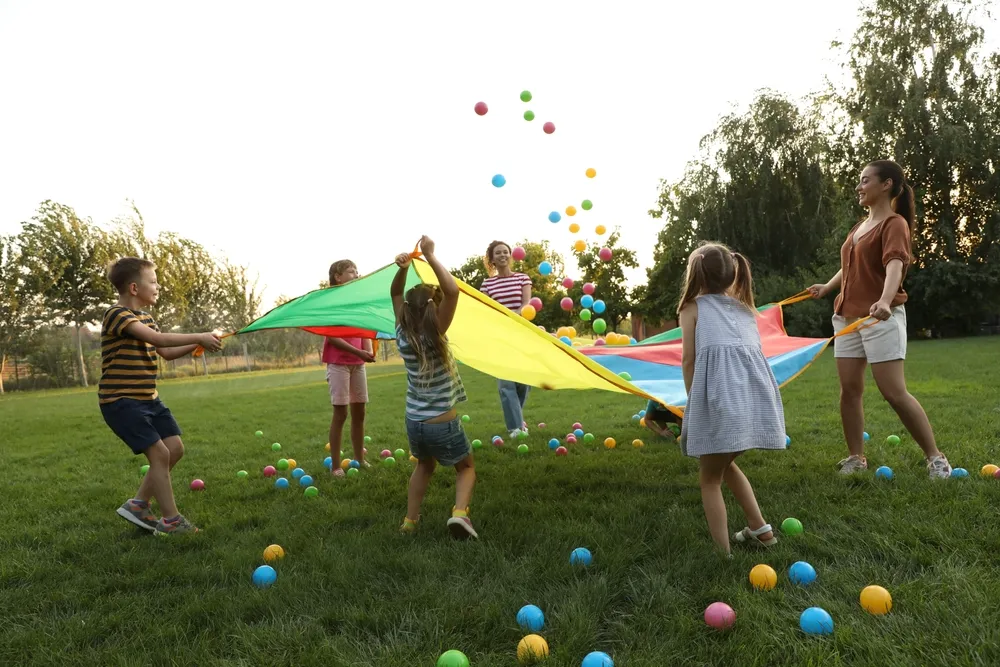
Begin with what interests your child.
Ask whether they are excited by a ball, music, an obstacle course, martial arts, running, climbing, dancing, or learning one skill closely.
Next, decide which learning environment is likely to feel most comfortable. A confident child with previous experience may enjoy a group immediately. A complete beginner or a child who becomes overwhelmed in groups may prefer private instruction.
Describe your child’s experience honestly. A coach can plan more effectively when they know whether the child is brand new, returning after a frustrating experience, or trying to improve an existing skill.
Share communication, sensory, attention, mobility, health, or safety considerations before the first session. Ask about the actual coach who will work with your child and whether that coach’s experience matches the child’s age, activity, goals, and support needs.
Finally, set a realistic first goal.
Success may mean learning one basic movement, participating for the full session, becoming comfortable with the coach, trying something unfamiliar, or simply wanting to return.
Parents do not need to identify a lifelong sport on the first attempt. The first program only needs to be a thoughtful next step.
Frequently Asked Questions
Does Fit First offer active classes for complete beginners?
Yes. Depending on current availability, families can explore beginner sports, multi-sport activities, general fitness, yoga, creative movement, and private coaching. Sharing the child’s experience level helps the Fit First team recommend an appropriate starting format.
Are Fit First programs inclusive of children with special needs?
Fit First offers adaptive and special-needs-friendly options, including private instruction, adaptive activities, and inclusive or social fitness formats. Suitability, accommodations, location, and coach availability should be discussed individually before enrollment.
Is private coaching better than a group class?
Neither format is universally better. Private coaching provides closer attention and flexible pacing. Group classes create more opportunities for teamwork, peer interaction, and game situations. Small-group training can offer a combination of both.
How can I find available Fit First programs near me?
Contact Fit First with your preferred Orange County city, your child’s age, activity interests, experience level, schedule, and preferred class format. Program availability varies by season, venue, coach, age group, and location.
Help Your Child Find a Way to Move That Feels Right
Children should not have to fit one narrow definition of an athlete.
A child can build an active life through soccer, basketball, tennis, dance, yoga, boxing, Ninja challenges, fitness games, or a carefully adapted first session.
What matters is finding an environment where the child receives appropriate instruction, feels respected, and has a genuine opportunity to participate.
Fit First gives Orange County families one place to explore private coaching, group classes, sports, creative movement, adaptive programs, camps, and active events.
The goal is not to rush children toward competition. It is to help each child find a positive starting point and a realistic path forward.
Ready to find the right Fit First program?
Talk with the Fit First team about your child’s age, interests, previous experience, preferred learning environment, athletic goals, social comfort, and any accommodation needs.
Call Fit First at (657) 204-5427 or visit https://fitfirstfamily.com/.
Program schedules, locations, age ranges, accommodations, and assigned coaches vary. Confirm current details directly with Fit First before booking.