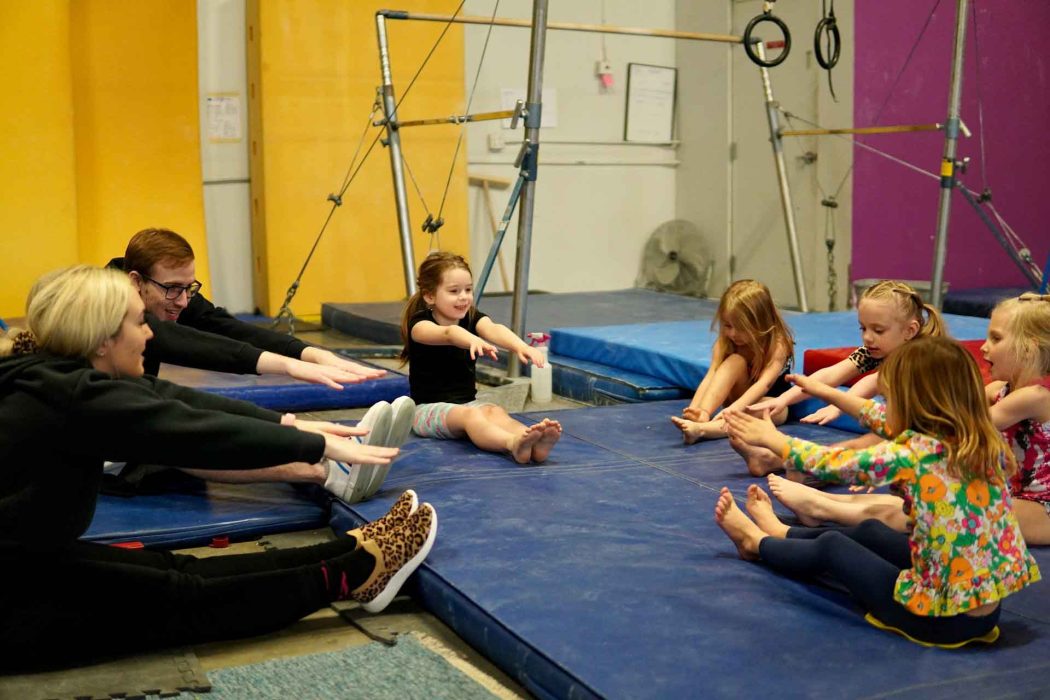
Sport for kids is one of the most powerful ways to help children build confidence, communication abilities, discipline, and leadership skills from an early age. Across Southern California, families are increasingly choosing structured athletic programs because sports create opportunities for children to grow physically, emotionally, and socially while learning teamwork and responsibility in real-life situations.
At Fit First, children are encouraged to develop leadership abilities through movement, teamwork, structured play, and age-appropriate athletic activities designed to strengthen both body and mindset. In today’s fast-paced digital world, sport for kids offers something essential that screens cannot provide: real human interaction, collaboration, resilience, and healthy competition.
From toddlers learning balance to teens developing advanced athletic discipline, organized sports can shape a child’s future in meaningful ways.
Why Leadership Development Starts with Movement
Leadership skills are not built overnight. They develop through repeated experiences that teach children how to communicate, solve problems, support teammates, and remain calm under pressure. This is why sport for kids has become such an important part of childhood development in So-Cal communities.
When children participate in team-based athletic activities, they learn how to:
- Work toward shared goals
- Handle wins and losses respectfully
- Encourage teammates
- Follow instructions and structure
- Build confidence in group settings
- Make decisions under pressure
- Practice accountability
Unlike passive entertainment, sports create active learning environments where leadership is experienced rather than simply taught.
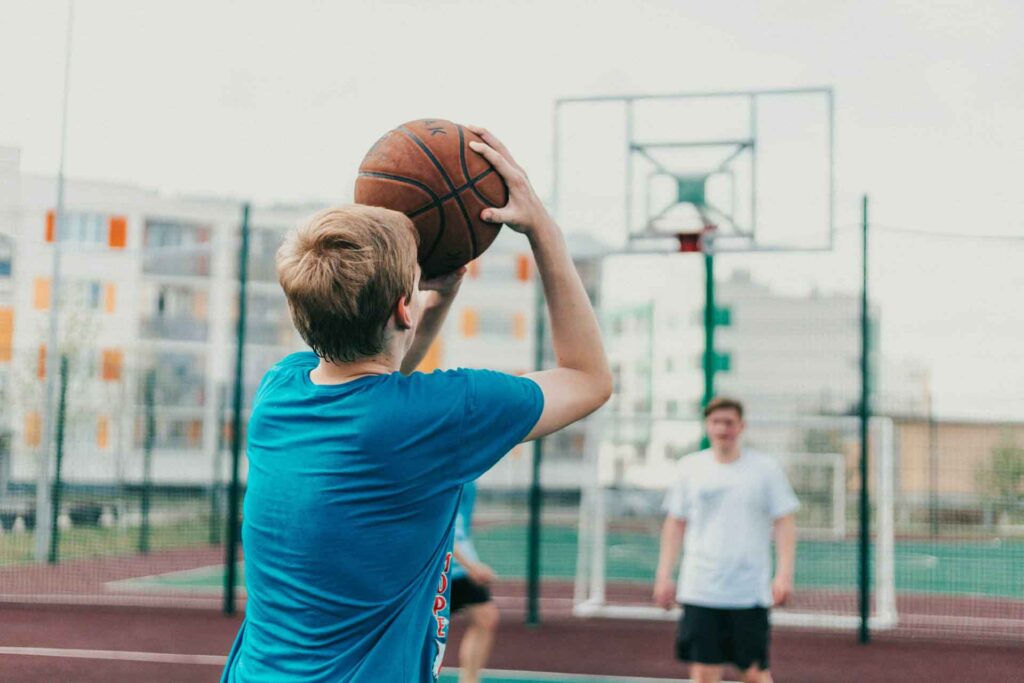
The Athlete: How Sports Support Different Age Groups
Children develop differently at every stage of growth. A well-designed youth sports program should match physical activity with age-appropriate developmental milestones.
Toddlers and Early Movement Development
For toddlers, sport for kids should focus on coordination, balance, listening skills, and safe movement exploration. Activities often include obstacle courses, soft-ball games, movement exercises, and playful coordination drills.
At this age, the goal is not competition. Instead, sports help children improve:
| Development Area | Benefits for Toddlers |
|---|---|
| Motor Skills | Running, jumping, balance |
| Social Skills | Sharing and group participation |
| Coordination | Hand-eye and foot-eye control |
| Confidence | Positive movement experiences |
| Listening | Following coach instructions |
Parents in Southern California often look for beginner-friendly sports environments that prioritize encouragement and safety over performance pressure.
Preschool Sports Programs
Preschoolers begin understanding rules, teamwork, and communication. This is an ideal age for introducing simple team activities like beginner soccer, movement classes, gymnastics, and swimming lessons.
At this stage, sport for kids helps children develop:
- Emotional regulation
- Team participation
- Structured learning habits
- Early athletic confidence
- Basic strategic thinking
Programs that combine fun with structured coaching tend to create the strongest long-term engagement.
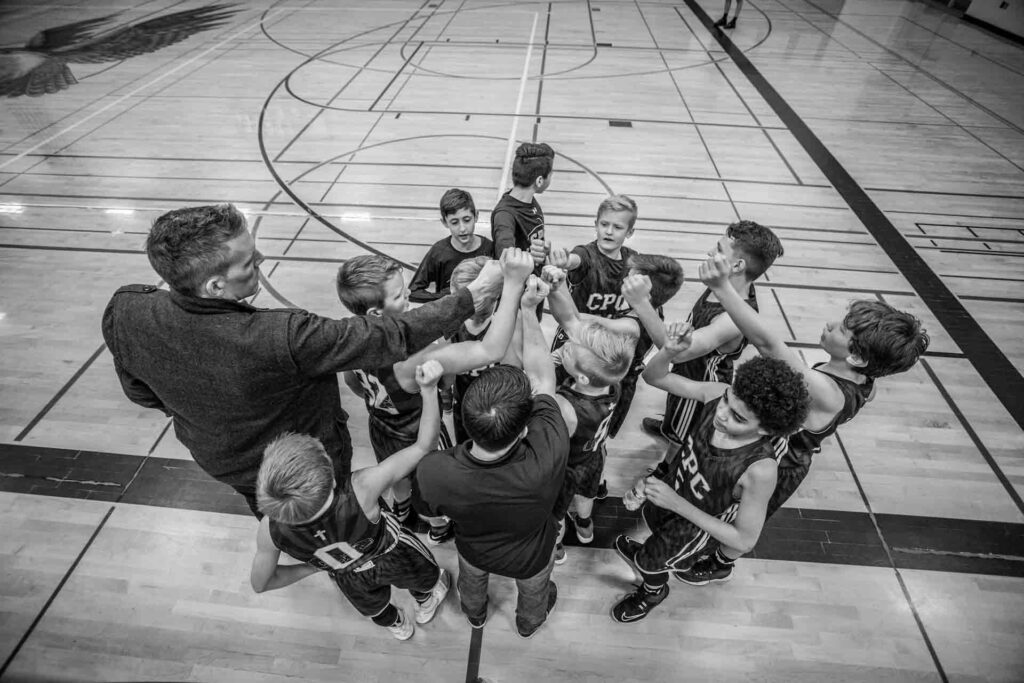
Grade School Athletes
Elementary-age children experience major growth in athletic ability and social awareness. They begin comparing skills, building friendships through sports, and understanding competition more clearly.
This is where leadership development accelerates. Children start learning:
- Responsibility toward teammates
- Encouragement and communication
- Time management
- Problem-solving during games
- Respect for coaches and officials
Many So-Cal youth sports leagues focus heavily on collaboration and positive sportsmanship because these years strongly influence long-term confidence.
Teen Sports and Advanced Leadership
Teen athletes often become role models for younger players. Leadership in sports becomes more visible through teamwork, mentoring, emotional maturity, and discipline.
For teenagers, sport for kids programs evolve into opportunities for:
| Teen Development Goal | Sports Impact |
|---|---|
| Leadership | Team captain responsibilities |
| Discipline | Training consistency |
| Communication | Team coordination |
| Resilience | Handling competition pressure |
| Confidence | Skill mastery and achievement |
Teens involved in structured athletics frequently show stronger self-confidence, improved time management, and healthier social engagement.
How to Facilitate Team-Building Games for Different Age Groups
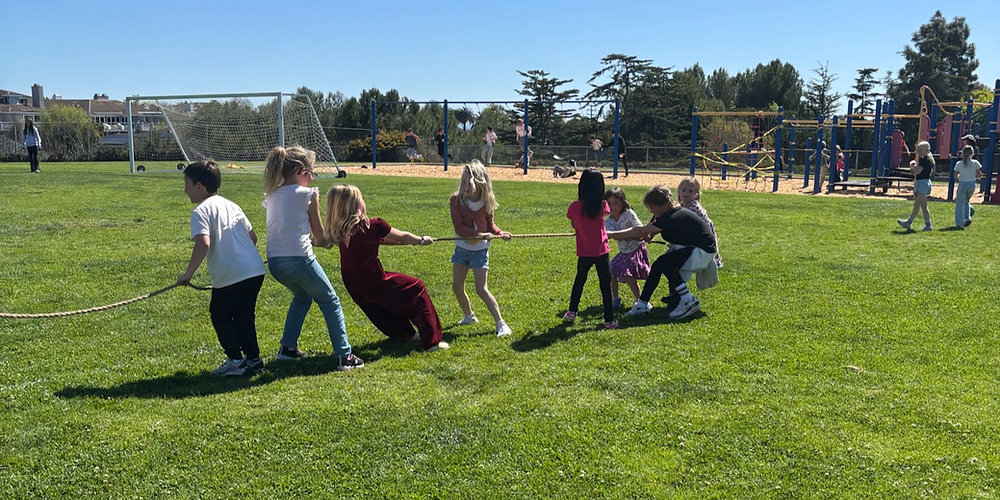
Creating successful team-building activities for children requires understanding developmental stages, communication styles, and physical abilities. A well-designed kids sport environment helps children learn cooperation, leadership, and emotional confidence while staying physically active. For younger children, simple relay races, obstacle courses, and partner-based movement games work best because they encourage participation without overwhelming rules. In structured kids sport programs, coaches and parents should focus on encouragement, teamwork, and positive communication rather than competition alone.
Older children and teenagers often respond well to strategic games that require problem-solving, collaboration, and leadership decision-making. Activities like team challenges, passing drills, or small-group competitions help strengthen social interaction and responsibility. Successful kids sport programs also adjust group sizes, instructions, and activity intensity based on the child’s age to ensure safety, engagement, and long-term athletic confidence.
How to choose the Right Sport for Your Child
Every child has different interests, energy levels, and learning styles. Choosing the right athletic activity can significantly improve long-term engagement and enjoyment.
Team Sports and Leadership Development
Team-based athletics are especially effective for building leadership skills because children must constantly interact, communicate, and cooperate.
Popular team sports in So-Cal include:
Soccer
Soccer teaches communication, teamwork, endurance, and quick decision-making. Younger athletes also improve coordination and spatial awareness.
Basketball
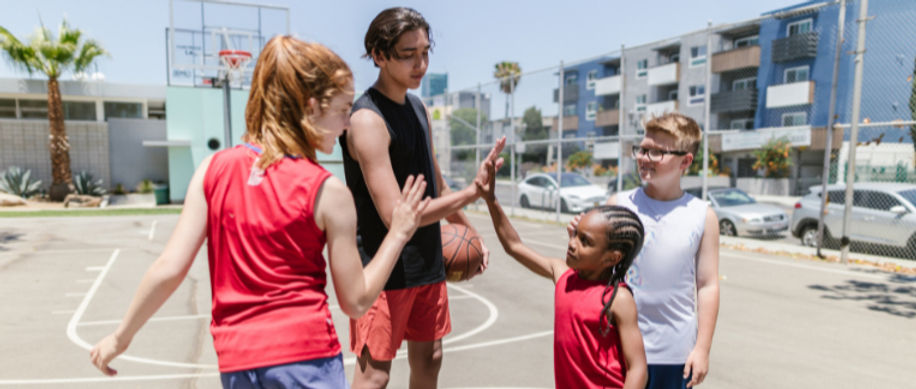
Basketball develops fast thinking, teamwork, strategic movement, and confidence under pressure. Children learn leadership by coordinating plays and supporting teammates.
These activities make sport for kids especially valuable because leadership lessons naturally occur during practices and games.
Individual Sports and Personal Growth
Not every child thrives in team environments. Individual sports can also develop confidence, discipline, and leadership in different ways.
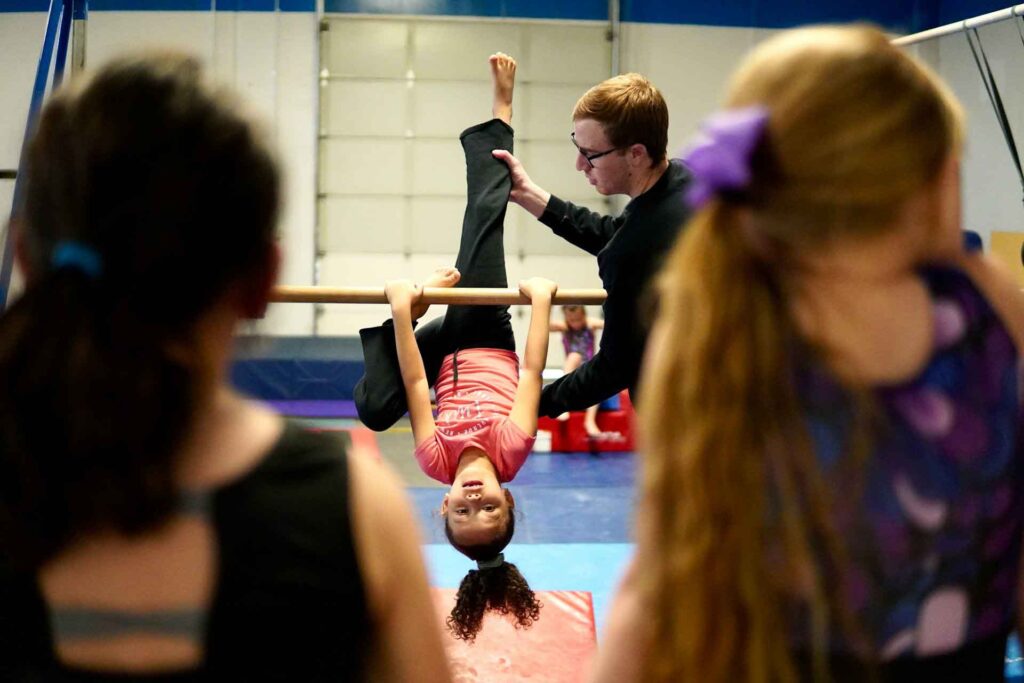
Gymnastics
Gymnastics improves flexibility, balance, strength, and focus. Children gain confidence through measurable progress and skill mastery.
Martial Arts
Martial arts teach respect, discipline, self-control, and perseverance. Leadership development often occurs through belt progression and mentorship systems.
Swimming
Swimming enhances endurance, safety awareness, discipline, and independent goal setting while supporting full-body development.
Competitive Sports
Competitive athletics focus more heavily on:
| Competitive Focus | Benefits |
|---|---|
| Advanced Skills | Higher athletic development |
| Discipline | Structured training |
| Leadership | Team accountability |
| Mental Toughness | Resilience under pressure |
| Goal Setting | Long-term achievement habits |
A balanced approach often works best, especially during early childhood.
The Facilitator: The Role of Parents and Coaches
Children’s athletic experiences are deeply shaped by the adults who guide, encourage, and mentor them throughout their development journey. In every successful kids sport environment, parents, coaches, teachers, and community leaders help children build confidence, emotional strength, teamwork skills, and healthy athletic habits. Positive adult involvement creates a safer and more motivating atmosphere where children feel supported while learning discipline and leadership through movement and play.
Parents play one of the most important roles in any kids sport experience because children often mirror the emotional responses and attitudes they see at home. When parents encourage effort, celebrate improvement, and focus on enjoyment instead of perfection, children tend to build healthier long-term confidence in athletics. Supportive parents help children understand that growth, teamwork, and persistence matter more than winning alone. Families who actively participate in kids sport activities often create healthier routines that encourage children to remain physically active and socially engaged as they grow older.
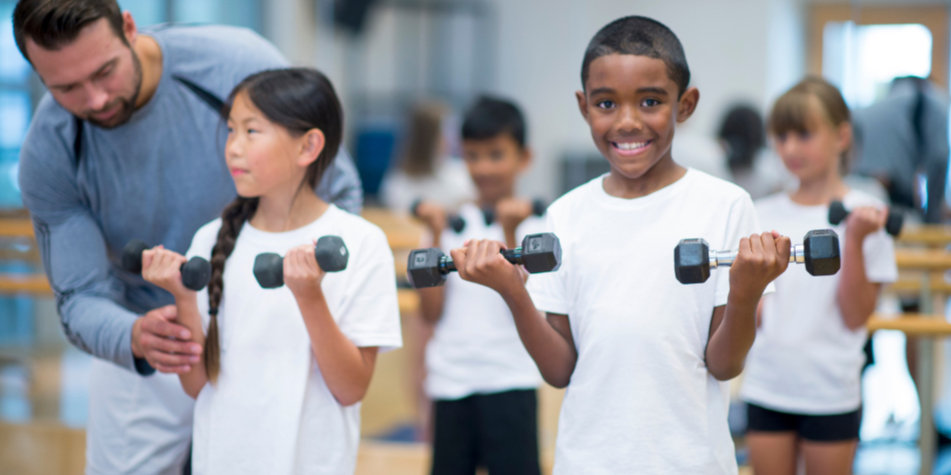
Youth coaches also have a major influence on childhood athletic development. Strong coaches do far more than teach physical skills. They help children learn communication, resilience, teamwork, emotional control, and leadership through structured guidance and positive mentorship. In modern kids sport programs across Southern California, coaching philosophies increasingly focus on confidence-building and personal development rather than only competition. Children who work with experienced coaches often become more motivated, disciplined, and emotionally confident in both sports and daily life.
At Fit First, children receive guidance from experienced youth fitness professionals who understand age-appropriate athletic development and leadership coaching. The Fit First team creates a trusted kids sport environment where children are encouraged to develop confidence, teamwork abilities, and emotional resilience through supportive instruction and structured movement programs. Their expert coaches help children improve not only physically, but socially and mentally as well.
Physical education teachers and community athletic programs also support accessible and inclusive kids sport opportunities for children of all skill levels. Local So-Cal leagues, youth fitness centers, and school-based athletic activities help families find programs that match their child’s personality, developmental stage, and athletic interests while encouraging long-term healthy habits.
Why Safety Matters in Youth Sports
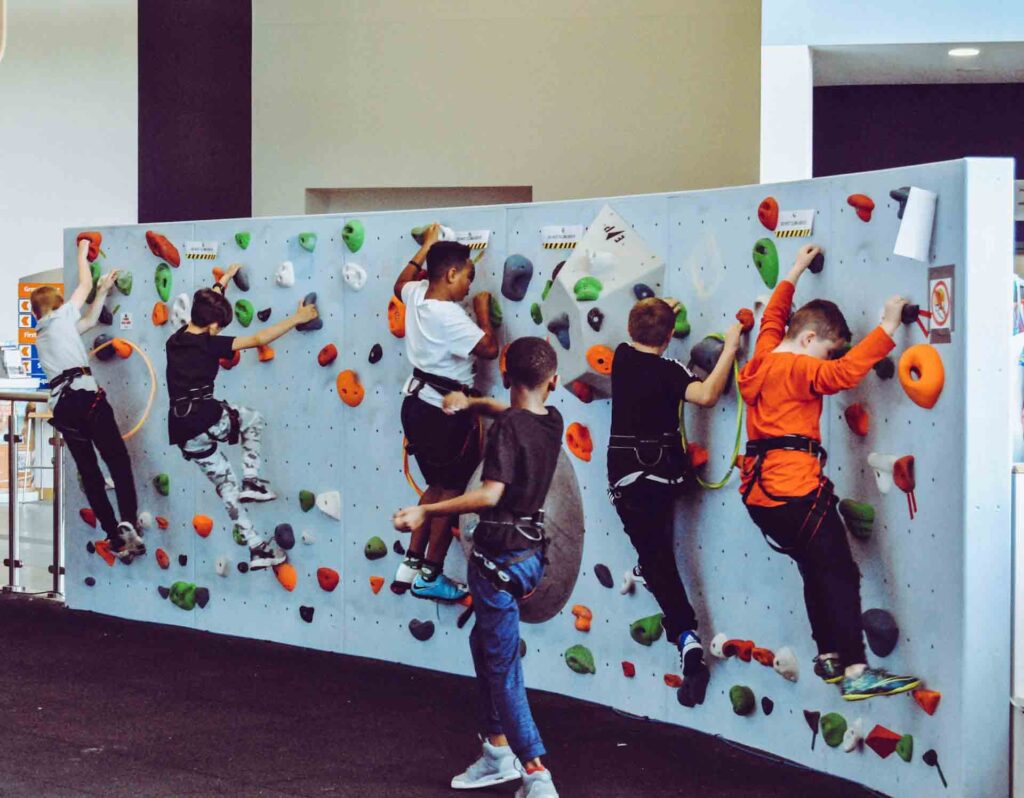
Safety is one of the most important foundations of any successful kids sport program. Proper equipment, structured supervision, and professionally designed athletic environments help children participate confidently while reducing unnecessary injury risks. When children feel physically safe and emotionally supported, they become more willing to explore movement, teamwork, and leadership development through sports activities.
Age-appropriate equipment plays a major role in helping children progress comfortably in kids sport programs. Younger athletes should always use equipment designed specifically for their size, coordination level, and developmental stage. For example, younger soccer players typically perform better with smaller size 3 soccer balls, while older children transition into size 4 or 5 balls as coordination and strength improve. Basketball sizes, protective padding, and training equipment should also match the child’s physical abilities to improve confidence and skill progression.
Protective gear is equally important in any structured kids sport setting. Children participating in athletic activities should use safety equipment appropriate for their sport and age group. Shin guards, helmets, knee pads, mouth guards, and supportive athletic shoes help reduce injury risk while allowing children to move confidently during practices and games. Programs that prioritize safety standards and professional supervision create healthier and more reliable athletic experiences for families.
Parents should also carefully evaluate the quality of the athletic environment before enrolling children in a kids sport program. Clean facilities, organized training spaces, structured supervision, emergency preparedness, and professionally trained coaches all contribute to safer and more effective youth athletic development. Children learn best when they feel secure, supported, and encouraged in a positive environment.
At Fit First, safety remains a central priority in every youth fitness and kids sport program. Their experienced coaches use age-appropriate equipment, structured movement systems, and carefully designed athletic spaces to help children train safely while building confidence, coordination, and leadership abilities through physical activity.
How Sports Build Confidence Beyond Athletics
One of the greatest long-term benefits of participating in a structured kids sport program is the confidence children develop both on and off the field. Sports help children discover their abilities, overcome challenges, communicate with others, and develop emotional resilience through repeated experiences of learning and improvement. These lessons often continue shaping children far beyond athletic activities alone.
Children involved in kids sport programs frequently improve their communication skills because they learn how to cooperate with teammates, listen to coaches, and express themselves more effectively in group environments. Athletic participation also teaches discipline through consistent practice routines, responsibility, and commitment to personal growth. As children achieve small athletic milestones, they often gain stronger self-esteem and motivation in school, friendships, and daily life.
Leadership development naturally grows through kids sport activities because children learn how to support teammates, handle disappointment, and remain calm under pressure. Emotional control, teamwork, patience, and perseverance become part of their daily experience through sports participation. These life skills often translate into stronger classroom performance, healthier friendships, and improved problem-solving abilities.
At Fit First, expert youth fitness coaches help children build confidence through supportive athletic instruction, teamwork-focused activities, and structured leadership development. Their trusted kids sport programs encourage children to discover their strengths while improving physical health, emotional confidence, and social interaction skills in a positive and encouraging environment.
Because of these long-term developmental benefits, many families continue prioritizing kids sport opportunities as an important part of childhood growth and overall well-being.
Why Southern California Families Prioritize Youth Sports
Southern California has developed a strong culture around active lifestyles, youth athletics, and outdoor wellness, making kids sport programs an important part of family life across the region. Families throughout Irvine, Orange County, Los Angeles, and surrounding So-Cal communities increasingly view youth sports as a valuable investment in their child’s physical, emotional, and social development.
The year-round weather and outdoor lifestyle opportunities available in Southern California make kids sport programs highly accessible for children of all ages. Parks, athletic facilities, youth leagues, swimming programs, martial arts centers, and fitness academies create opportunities for children to remain physically active while developing teamwork and leadership skills. Many parents choose organized sports because they want their children to spend less time on screens and more time participating in healthy group activities that improve confidence and discipline.
Modern families also recognize that kids sport activities provide benefits beyond exercise alone. Athletic participation helps children develop emotional resilience, communication skills, social awareness, and healthier routines. In many So-Cal communities, parents actively seek programs that combine fitness, leadership development, teamwork, and structured coaching rather than focusing only on competition.
At Fit First, Southern California families trust experienced coaches who understand the importance of balanced childhood athletic development. Their professionally designed kids sport programs focus on confidence-building, teamwork, physical safety, and leadership growth while creating a supportive and motivating environment for children at different developmental stages.
As more families prioritize health, movement, and emotional development, structured kids sport programs continue becoming an essential part of modern childhood experiences throughout Southern California.
Why Families Choose Fit First for Youth Athletic Development
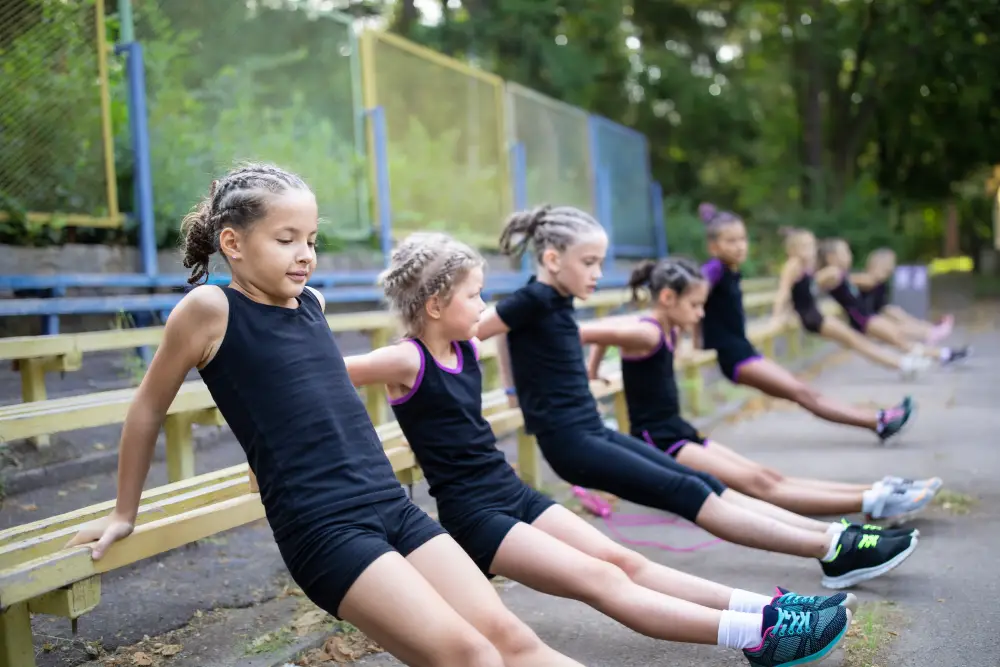
Families across Southern California choose Fit First because of its strong reputation for creating supportive, safe, and development-focused youth fitness experiences. Their programs are designed to help children improve physical strength, coordination, teamwork, confidence, and leadership skills through structured movement and athletic engagement.
Unlike traditional programs that focus only on competition, Fit First emphasizes long-term childhood development through carefully guided kids sport activities and personalized coaching. Every child develops differently, which is why the Fit First approach focuses on age-appropriate movement, emotional encouragement, and positive athletic experiences that build confidence over time. Children are supported by experienced coaches who understand how to motivate young athletes while maintaining a safe and enjoyable learning environment.
Fit First programs help children improve balance, coordination, endurance, discipline, and social interaction while participating in structured kids sport activities designed specifically for youth development. Their coaching philosophy prioritizes teamwork, leadership growth, and healthy movement habits that continue benefiting children beyond athletics alone.
Parents also value the welcoming atmosphere and professional coaching standards provided at Fit First. The program creates an inclusive environment where children of different athletic abilities can feel supported while building confidence through physical activity. Through trusted instruction and expertly guided kids sport training, children learn how to work with others, overcome challenges, and develop healthier long-term habits that support both physical and emotional well-being.
For many Southern California families, Fit First has become a trusted destination for youth fitness and kids sport development because of its commitment to safety, leadership-building, and positive childhood athletic experiences led by expert coaches.
FAQ
What is the best age to start sport for kids?
Children can begin basic movement and beginner sports activities as early as toddler age. Programs should always match developmental readiness and focus on safe, playful learning.
Which sports are best for leadership development?
Team sports like soccer and basketball are excellent for teaching communication, teamwork, accountability, and leadership skills.
How does sport for kids improve confidence?
Children gain confidence through skill progression, teamwork, goal achievement, and positive reinforcement from coaches and teammates.
Are competitive sports healthy for children?
Competitive athletics can be very beneficial when coaches and parents prioritize healthy emotional development, sportsmanship, and balanced expectations.
How can parents choose the right sports program?
Parents should evaluate coaching quality, safety standards, age-appropriate instruction, facility conditions, and whether the program focuses on positive child development.
Conclusion
Sport for kids is far more than physical activity. It is a foundation for leadership, confidence, discipline, communication, and lifelong healthy habits. Through team games, structured movement, and supportive coaching, children learn how to collaborate, persevere, and grow both physically and emotionally.
Whether a child participates in soccer, basketball, gymnastics, martial arts, or swimming, sports provide opportunities to develop skills that extend into school, friendships, and future success.
For Southern California families looking to support their child’s growth through movement and leadership-focused athletic development, Fit First provides a supportive environment where children can build confidence, teamwork abilities, and strong lifelong habits through structured youth fitness programs.
Blog Author : Adam Krell
Author Bio :
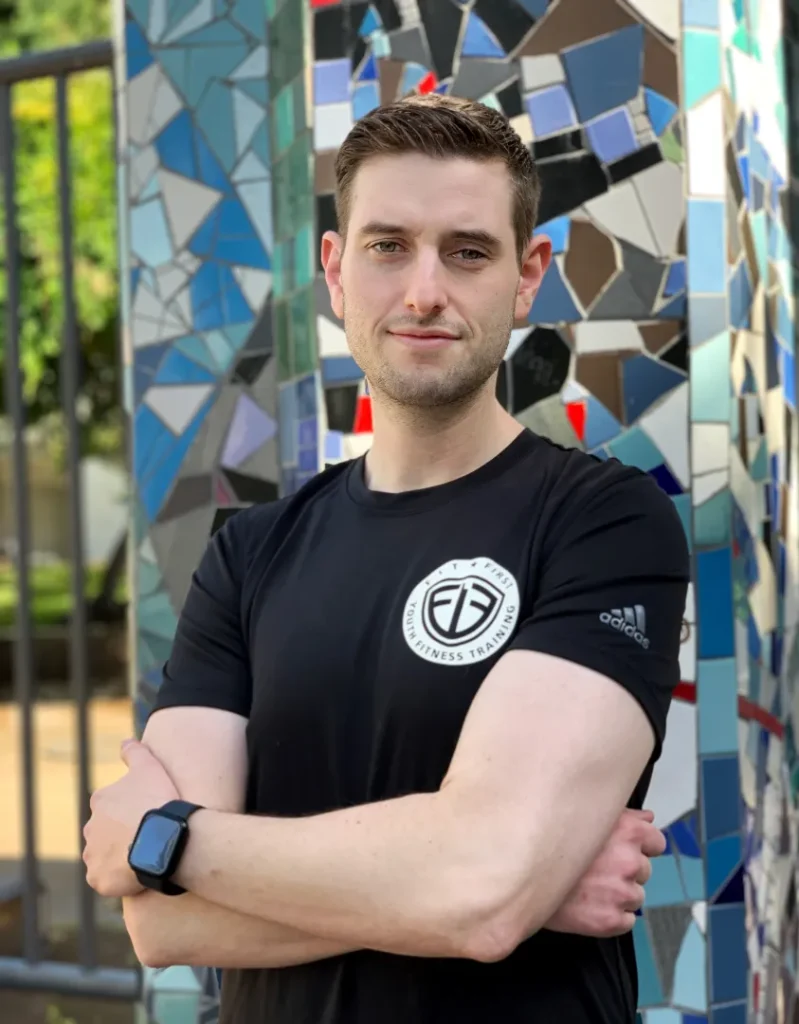
Adam is the Founder and Head Coach at Fit First, bringing years of experience in youth fitness, athletic development, and child education. Specializing in fitness, tennis, baseball, and boxing, he combines professional athletic coaching with a strong educational background to help children build confidence, leadership, coordination, and healthy lifelong habits.
With a B.S. in Behavior Psychology focused on Child Development and Special Education, Adam understands how to create supportive and motivating environments for children of different ages and developmental stages. His experience as an Elementary School Special Education Teacher allows him to connect with kids through patience, structure, and individualized guidance.
As a Certified NASM Advanced Trainer and Certified EMT-B, Adam prioritizes both performance and safety in every youth fitness program. Through Fit First, he is committed to helping children across Southern California grow stronger physically, emotionally, and socially through expert coaching and positive athletic experiences.