Today’s children are growing up in a world dramatically different from previous generations. While technology has created incredible educational opportunities, it has also contributed to reduced physical activity, increased screen time, and fewer opportunities for natural movement. Across Southern California, parents are recognizing that youth fitness is no longer something that simply happens through school sports or recess. It requires intentional guidance, structured programming, and professional support.
This shift has fueled the growing demand for youth personal training, a specialized approach that helps children and teens develop strength, confidence, athleticism, and lifelong healthy habits. At Fit First, we believe the goal is not simply creating stronger athletes today, it is cultivating healthier, more resilient individuals who remain active throughout their lives.
Whether a child participates in competitive sports, recreational activities, or is just beginning their fitness journey, personalized coaching can dramatically influence long-term success.

The Rise of Youth Personal Training in Southern California
Southern California has long been associated with active lifestyles, outdoor recreation, and youth sports participation. However, even in one of the nation’s most fitness-oriented regions, many children struggle to achieve recommended activity levels.
Beyond the School Gym: Why SoCal Parents Are Turning to Certified Trainers
Many parents assume school physical education programs provide enough exercise for their children. Unfortunately, modern school schedules often limit the amount of meaningful physical activity students receive each week.
As a result, parents are increasingly investing in professional youth personal training programs that offer:
- Individualized fitness instruction
- Sport-specific development
- Improved movement mechanics
- Injury prevention strategies
- Enhanced athletic confidence
Southern California families are particularly focused on helping children excel in competitive sports environments while maintaining overall wellness. Certified youth trainers provide expertise that bridges the gap between general activity and structured athletic development.
The Shift From Trend to Necessity: Addressing the Modern Youth Sedentary Lifestyle
The rise of smartphones, streaming platforms, gaming systems, and digital learning has significantly altered how children spend their free time.
Research consistently shows that prolonged sedentary behavior can contribute to:
- Reduced cardiovascular fitness
- Poor posture and movement quality
- Increased risk of obesity
- Lower muscular strength
- Declining motor skill development
For many families, Southern California fitness for kids has evolved from an extracurricular activity into an essential component of healthy development. Structured fitness programs help counterbalance sedentary habits while teaching children how movement improves both physical and mental well-being.
The Foundations of Youth Fitness Success
Long-term athletic success is built on far more than physical talent. Sustainable development requires a balanced approach that addresses physical, psychological, and behavioral growth.
Physical Development: Building Strength, Agility, and Coordination Safely
One of the biggest misconceptions in youth fitness is that strength training is unsafe for children. When properly supervised by qualified professionals, age-appropriate resistance training is not only safe but highly beneficial.
At Fit First, training programs emphasize:
- Core stability
- Balance and coordination
- Functional movement patterns
- Agility development
- Progressive strength building
Rather than focusing on heavy weights, youth programs prioritize movement quality and neuromuscular adaptation. This approach helps developing bodies improve athletic performance while respecting growth plates and age-specific developmental needs.
These foundational skills create the building blocks for success in virtually every sport.
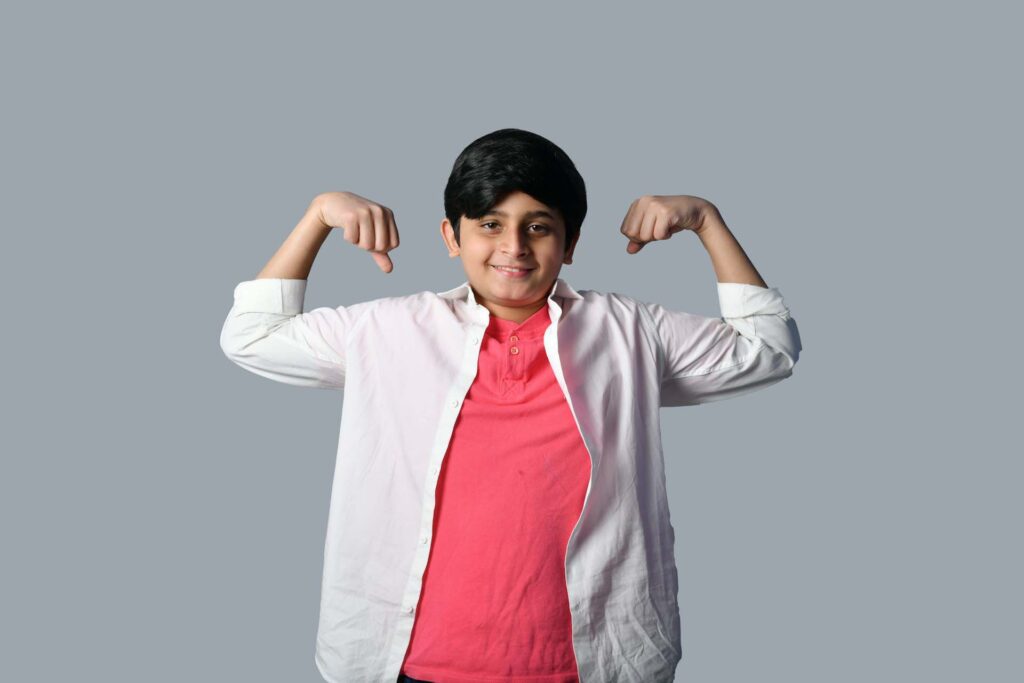
Psychological Benefits: Boosting Confidence, Self-Esteem, and Body Positivity
Physical development is only one piece of the puzzle.
Many children experience confidence challenges related to athletic performance, body image, or social comparison. Structured training provides opportunities for young athletes to experience measurable success through effort and consistency.
As children master new skills, they often develop:
- Greater self-confidence
- Improved resilience
- Enhanced self-esteem
- Positive body awareness
- Increased willingness to tackle challenges
Fitness becomes more than exercise—it becomes a vehicle for personal growth.
Behavioral Growth: Instilling Discipline and Healthy Habits Early On
Successful athletes learn valuable life skills through consistent training.
Regular fitness participation teaches:
- Time management
- Goal setting
- Accountability
- Consistency
- Delayed gratification
These behavioral traits frequently extend beyond athletics into academic performance, leadership roles, and future career success.
Developing healthy habits early significantly increases the likelihood of maintaining an active lifestyle throughout adulthood.
How a Personal Trainer Accelerates Youth Fitness Results
While general activity is beneficial, personalized coaching creates a more efficient pathway toward long-term success.
Tailored Programming: Designing Workouts for Developing Bodies
Children are not miniature adults.
Their bodies respond differently to training due to ongoing growth, hormonal development, and changing movement capabilities.
Effective functional fitness for teens requires individualized programming that considers:
- Biological age
- Training experience
- Sport participation
- Injury history
- Developmental stage
At Fit First, trainers design programs that evolve alongside each athlete’s growth and goals, ensuring continual progress while minimizing unnecessary risk.
Injury Prevention: Teaching Proper Mechanics and Movement Patterns
One of the most overlooked aspects of youth athlete development is injury prevention.
Many overuse injuries stem from poor movement mechanics, muscular imbalances, or excessive specialization in a single sport.
Quality training helps athletes develop:
- Proper landing mechanics
- Joint stability
- Core strength
- Mobility
- Movement efficiency
These principles play a critical role in youth injury prevention, reducing the likelihood of common sports-related injuries while improving overall athletic performance.
Goal Setting and Accountability: Keeping Young Athletes Motivated and Engaged
Motivation often fluctuates, especially among younger athletes.
Professional coaching introduces structure and accountability while helping athletes set realistic, measurable goals.
Examples include:
- Improving sprint speed
- Increasing vertical jump performance
- Enhancing endurance
- Mastering movement skills
- Building overall strength
Regular progress tracking keeps athletes engaged and reinforces the connection between effort and results.
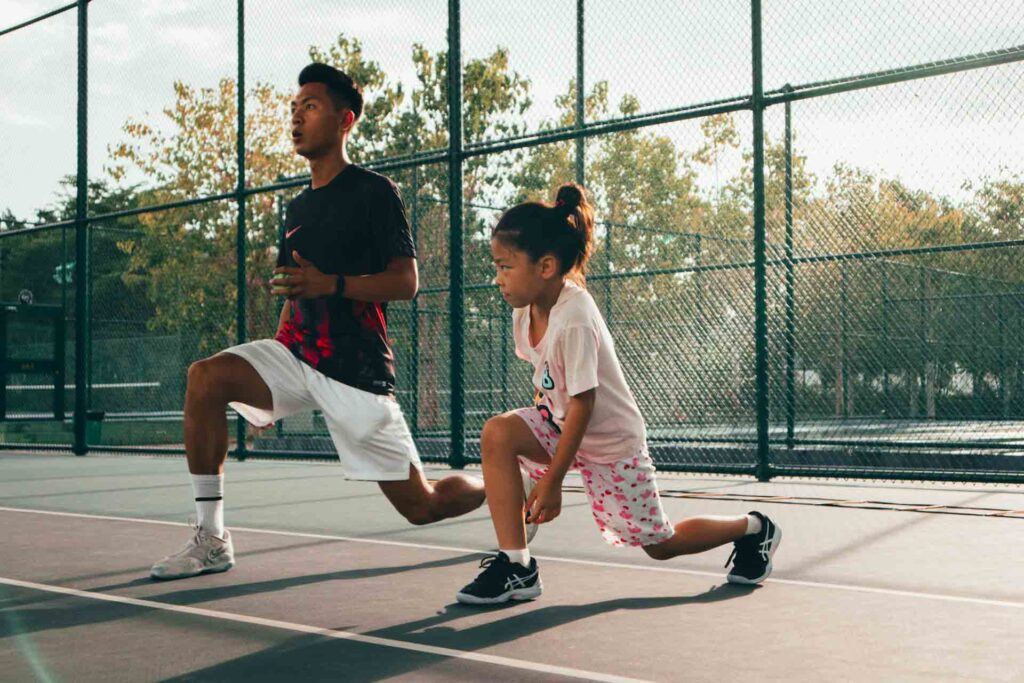
The Fit First Approach to Youth Training
At Fit First, we believe successful training programs combine science, fun, and long-term development.
Fun Meets Functional: Keeping Fitness Enjoyable for Kids and Teens
Children learn best when they enjoy the process.
Our Fit First training philosophy integrates games, challenges, athletic drills, and age-appropriate exercises that keep sessions engaging while delivering measurable results.
This balance helps young athletes associate exercise with enjoyment rather than obligation, increasing long-term adherence.
Comprehensive Wellness: Integrating Nutrition Education and Recovery
Athletic development extends beyond the training floor.
Children and teens benefit greatly from learning:
- Proper hydration habits
- Balanced nutrition principles
- Sleep optimization strategies
- Recovery techniques
- Stress management skills
By incorporating wellness education into training, young athletes develop a more complete understanding of what supports peak performance.
Tracking Progress: Celebrating Milestones Inside and Outside the Gym
Progress is about more than lifting heavier weights or running faster.
At Fit First, we celebrate improvements in:
- Confidence
- Consistency
- Leadership
- Teamwork
- Personal responsibility
Recognizing these victories helps reinforce intrinsic motivation and encourages continued participation.
Overcoming Common Challenges in Youth Fitness
Every family encounters obstacles when building healthy habits. Addressing these challenges proactively creates a stronger foundation for success.
Managing Screen Time and Digital Distractions
Technology is an unavoidable part of modern life, but balance remains essential.
Parents can support healthier habits by:
- Scheduling dedicated activity time
- Encouraging outdoor play
- Establishing device-free periods
- Participating in family fitness activities
Consistency often produces greater results than strict restrictions.
Balancing Sports, Academics, and Fitness Training
Southern California youth frequently face demanding schedules that include academics, club sports, extracurricular activities, and family commitments.
Effective programming acknowledges these realities by prioritizing quality over quantity.
Strategic training plans help athletes improve performance without creating unnecessary physical or mental fatigue.
Overcoming Early Fitness Anxiety or Negative Gym Perceptions
Many children feel intimidated when entering a gym environment for the first time.
Supportive coaching environments emphasize encouragement, education, and personal growth rather than comparison.
When children feel safe, supported, and successful, their confidence grows rapidly.
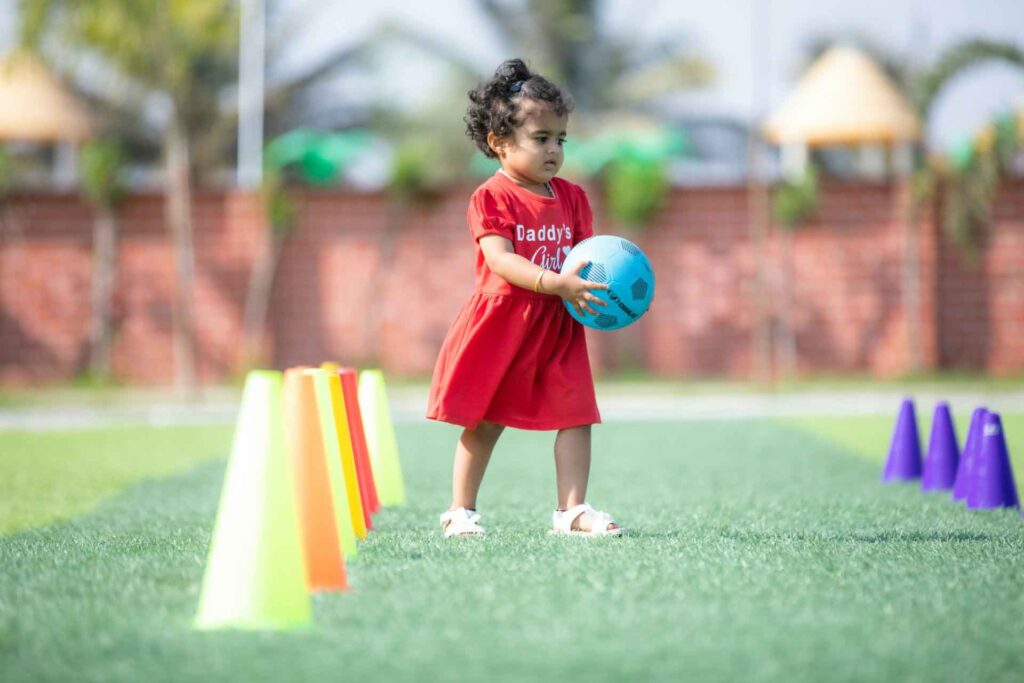
Shaping the Future of SoCal Youth Fitness
The most successful youth fitness programs focus on long-term development rather than short-term outcomes.
Long-Term Athlete Development (LTAD): From Playgrounds to High School Sports
The Long-Term Athlete Development (LTAD) model provides a framework for progressive athletic growth across childhood and adolescence.
Rather than emphasizing early specialization, LTAD promotes:
- Fundamental movement skills
- Multi-sport participation
- Progressive training progression
- Age-appropriate development
- Sustainable athletic growth
This approach creates adaptable athletes capable of excelling in multiple physical activities throughout life.
Creating a Supportive Community for Young Athletes in Southern California
Strong communities help athletes thrive.
Across Southern California, young athletes benefit from access to exceptional sports leagues, outdoor recreation opportunities, and fitness resources. However, lasting success often depends on having a supportive network that includes coaches, trainers, parents, and peers.
At Fit First, we believe community is one of the most powerful drivers of long-term success. When young athletes feel encouraged, challenged, and supported, they are more likely to develop a lifelong appreciation for movement, health, and personal growth.
FAQ
What is youth personal training?
Youth personal training is a specialized fitness program designed for children and teenagers that focuses on age-appropriate strength, coordination, mobility, and athletic development under professional supervision.
Why is youth fitness important for long-term health?
Youth fitness helps build strong bones, healthy muscles, cardiovascular endurance, and positive lifestyle habits that can reduce the risk of obesity, chronic disease, and inactivity later in life.
When should a child start working with a personal trainer?
Many children can benefit from structured fitness coaching as early as age 7 or 8, provided the program is designed specifically for their developmental stage and focuses on proper movement skills.
How does personal training help young athletes improve performance?
Personal trainers create individualized programs that improve strength, agility, speed, balance, and sport-specific skills while helping reduce the risk of injury through proper movement training.
Where can parents find quality youth fitness programs in Southern California?
Parents should look for certified youth fitness specialists who have experience in youth athlete development, injury prevention, and long-term athletic development, such as the programs offered by Fit First.
Conclusion
Developing healthy, confident, and capable young athletes requires more than occasional exercise. It requires expert guidance, intentional programming, and an environment that supports both physical and emotional growth.
Through professional youth personal training, children can develop strength, confidence, resilience, and lifelong healthy habits that extend far beyond sports. Whether your child is pursuing competitive athletics or simply looking to become more active, structured coaching can provide the foundation for lasting success.
At Fit First, our mission is to help Southern California families build stronger, healthier futures through evidence-based youth fitness programs designed specifically for developing athletes.
Ready to Help Your Child Thrive?
If you’re looking for professional guidance in Southern California fitness for kids, youth athlete development, or functional fitness for teens, the Fit First team is here to help.
Schedule a youth fitness assessment today and discover how personalized coaching can help your child build confidence, improve performance, and develop the skills needed for a lifetime of health and athletic success.
Blog Author : Adam Krell
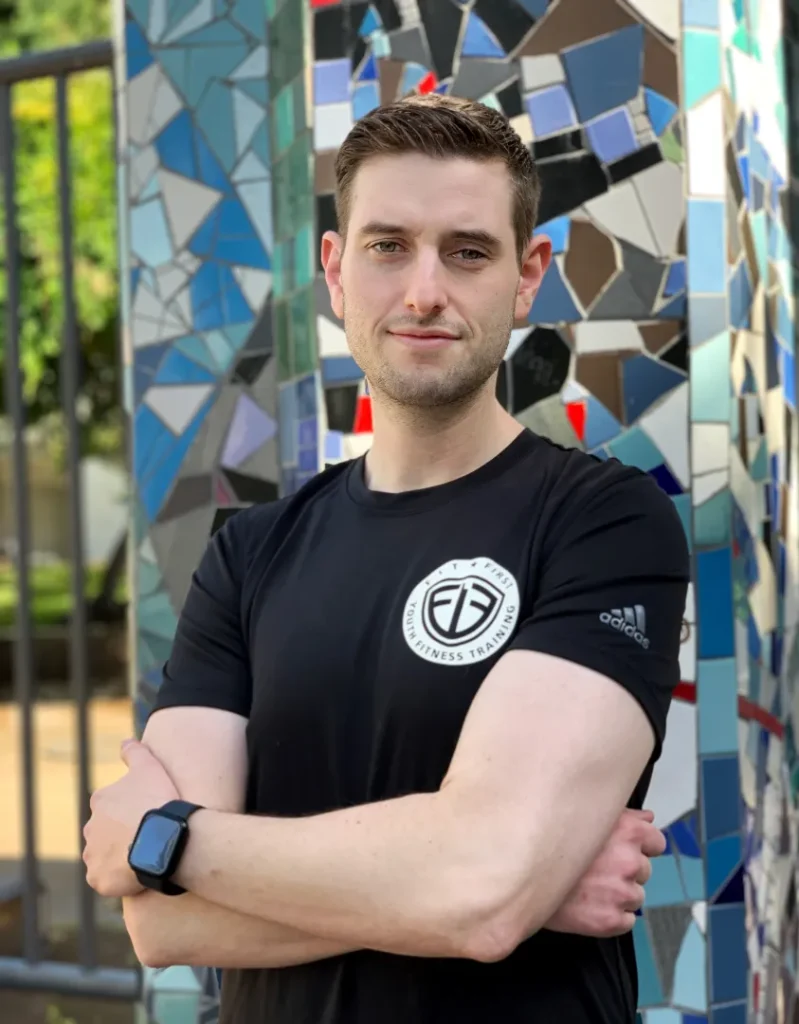
Author Bio :
Adam is the Founder and Head Coach at Fit First, bringing years of experience in youth fitness, athletic development, and child education. Specializing in fitness, tennis, baseball, and boxing, he combines professional athletic coaching with a strong educational background to help children build confidence, leadership, coordination, and healthy lifelong habits.
With a B.S. in Behavior Psychology focused on Child Development and Special Education, Adam understands how to create supportive and motivating environments for children of different ages and developmental stages. His experience as an Elementary School Special Education Teacher allows him to connect with kids through patience, structure, and individualized guidance.
As a Certified NASM Advanced Trainer and Certified EMT-B, Adam prioritizes both performance and safety in every youth fitness program. Through Fit First, he is committed to helping children across Southern California grow stronger physically, emotionally, and socially through expert coaching and positive athletic experiences.