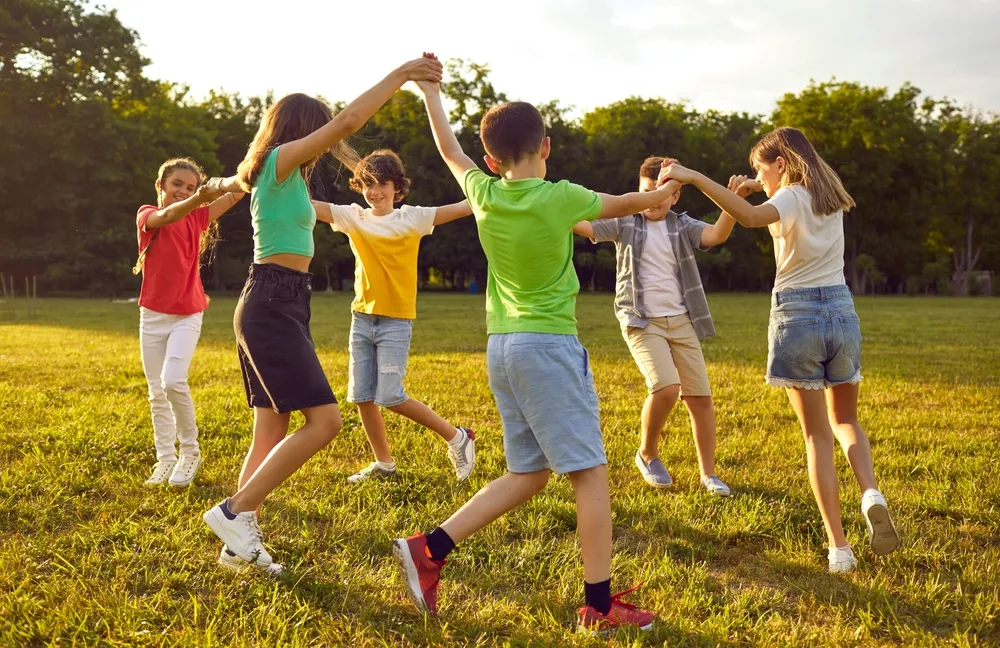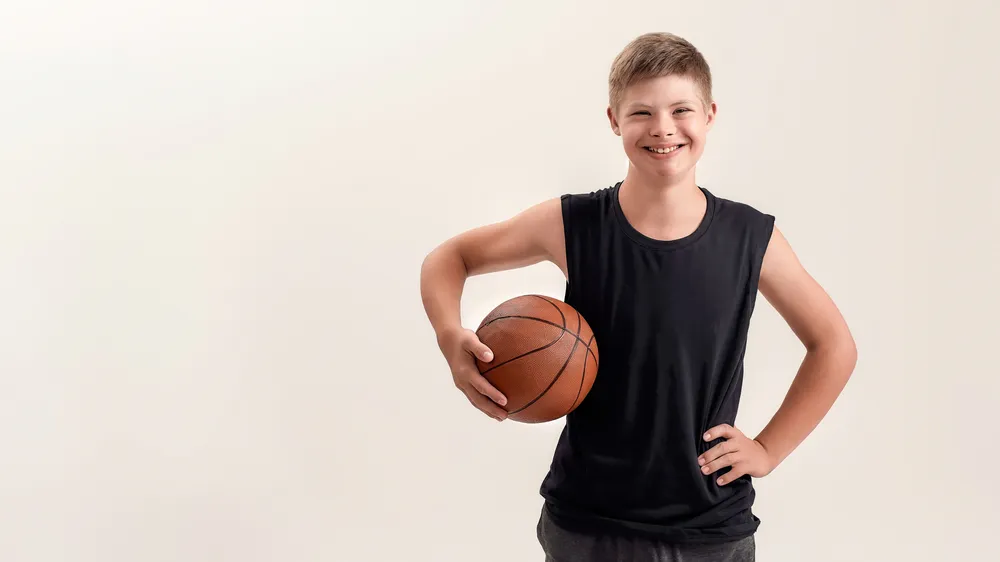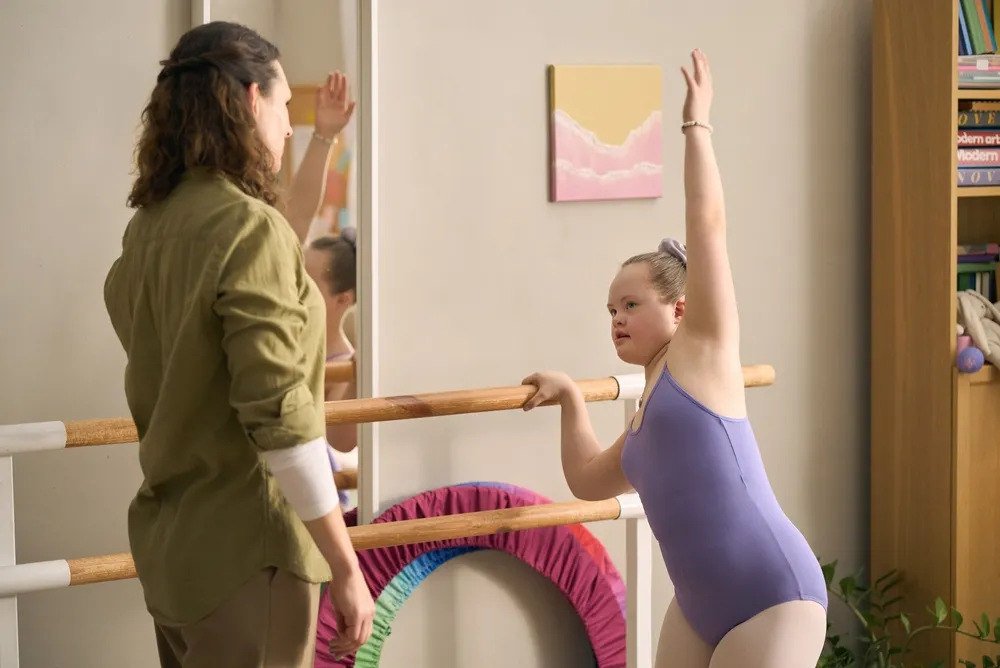
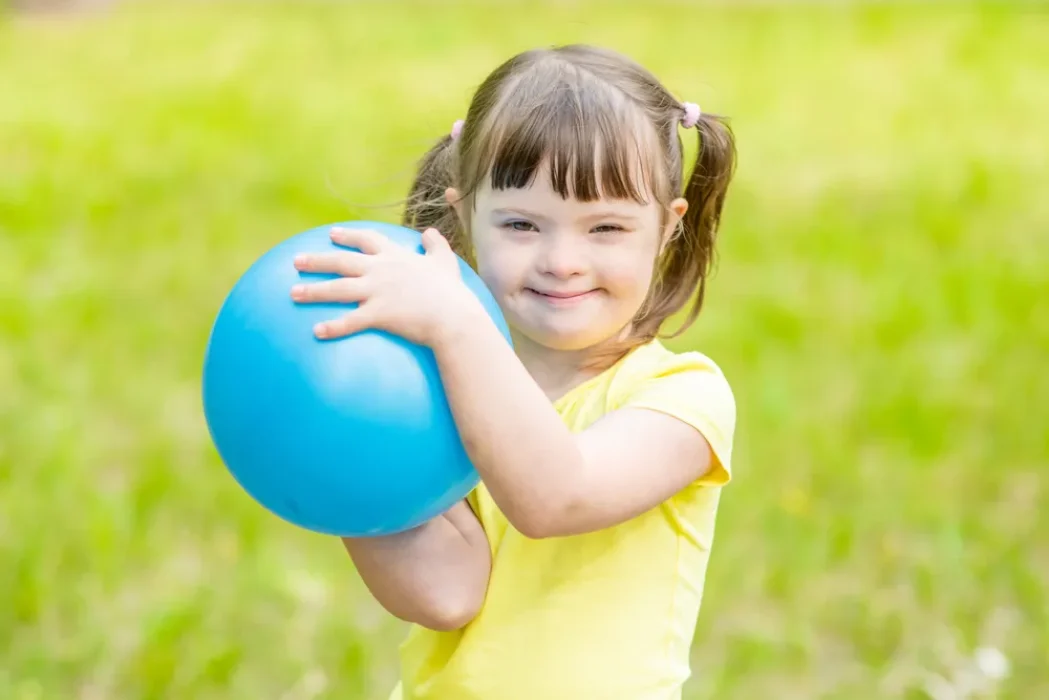
Youth sports should never be reserved for the fastest child on the field, the most coordinated athlete in class, or the player who can already perform advanced skills. At Fit First Family, we believe Every Kid Sports is more than a phrase, it is a commitment to ensuring every child, regardless of ability level, diagnosis, sensory profile, or athletic experience, has the opportunity to move, play, connect, and thrive.
Across Orange County, parents are increasingly seeking alternatives to traditional leagues that often emphasize competition over development. Families of neurodivergent children, children with physical challenges, and even children who simply need a gentler introduction to athletics are looking for programs that prioritize belonging, confidence, and physical literacy.
The good news is that inclusive youth fitness opportunities are expanding rapidly throughout Irvine, Newport Beach, Costa Mesa, Aliso Viejo, Tustin, and surrounding communities. Unified sports, adapted sports programs, and sensory-friendly youth athletics are helping redefine what success in youth sports truly looks like.
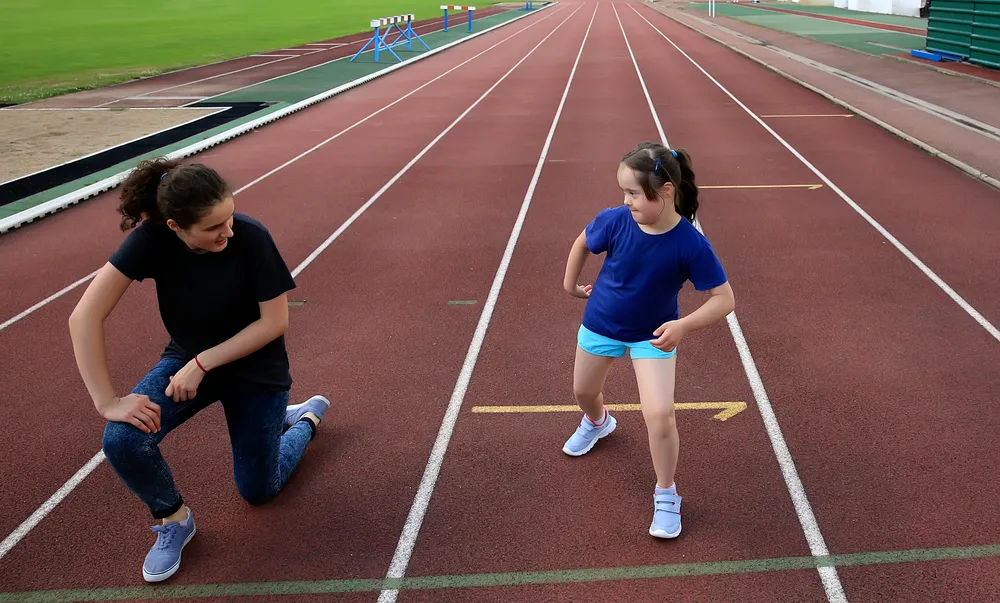
Redefining the Playing Field: What True Inclusion Means in 2026
Traditional youth sports models have historically followed a rigid structure: tryouts, rankings, intensive competition, and early specialization. While this environment works well for some children, many others are unintentionally left behind.
Children may struggle to participate because of:
- Autism spectrum disorder or ADHD
- Sensory processing differences
- Developmental delays
- Anxiety around competition
- Physical disabilities or mobility challenges
- Delayed motor skill development
- Negative experiences in previous sports settings
The modern movement behind Every Kid Sports recognizes that participation itself is the foundation of lifelong health.
True inclusion means creating environments where children can enter athletics at their own pace while receiving the support necessary to succeed.
Inclusive programming differs from standard youth leagues in several important ways:
| Traditional Youth Leagues | Inclusive Youth Programs |
| Focus on competition | Focus on participation and growth |
| Uniform instruction for all athletes | Individualized coaching strategies |
| Fast-paced drills | Flexible pacing and skill progression |
| Performance-based success | Confidence and effort-based success |
| Limited accommodations | Built-in adaptations and supports |
At Fit First Family, we’ve seen children who initially refused to join group activities gradually progress into enthusiastic participants simply because the environment removed pressure and replaced it with encouragement.
Making Every Kid Sports a reality requires changing expectations—not lowering them. Children still learn, improve, and challenge themselves. They simply do so within an environment designed to support their unique needs.
Understanding the Options: Adapted vs. Unified Sports Formats
Parents frequently hear terms such as adapted sports and unified sports but may not fully understand the differences. Both approaches create access, yet they serve different purposes.
What are Adapted Sports Programs?
Adapted sports programs modify activities, equipment, rules, or environments to meet the specific physical, developmental, cognitive, or sensory needs of participants.
The objective is simple: remove unnecessary barriers while preserving the joy and developmental benefits of sport.
Examples of adaptations include:
- Lower basketball hoops for developing coordination.
- Larger or softer balls for easier tracking and catching.
- Visual schedules for children with autism.
- Reduced noise environments for sensory-sensitive athletes.
- Smaller playing areas to decrease overstimulation.
- Extra transition time between drills.
- Modified scoring systems focused on participation.
In our special needs training programs in Irvine and Newport Beach, Fit First Family coaches regularly adapt sessions in real time. A child who becomes overwhelmed during a soccer drill may transition to one-on-one skill stations before gradually rejoining group play.
We also frequently break complex sports skills into manageable components. Instead of teaching an entire basketball sequence at once, coaches may focus first on stance, then dribbling, then movement patterns, and finally game play.
This step-by-step progression helps children build mastery without frustration.
What are Unified Sports Programs?
Unified sports programs bring children with and without disabilities together on the same team.
The philosophy extends beyond athletics. Unified sports foster:
- Empathy
- Social inclusion
- Leadership
- Teamwork
- Mutual respect
- Community connection
Programs such as Special Olympics Unified Sports demonstrate that mixed-ability teams create meaningful experiences for everyone involved.
Typically developing peers learn patience, communication, and compassion, while athletes with unique needs gain social confidence and opportunities for authentic friendships.
In our small-group social fitness classes across Orange County, we intentionally create opportunities for cooperative play. Children cheer each other on, celebrate successes together, and learn that athletic achievement looks different for every participant.
Unified sports reinforce an important message: every child belongs on the field.
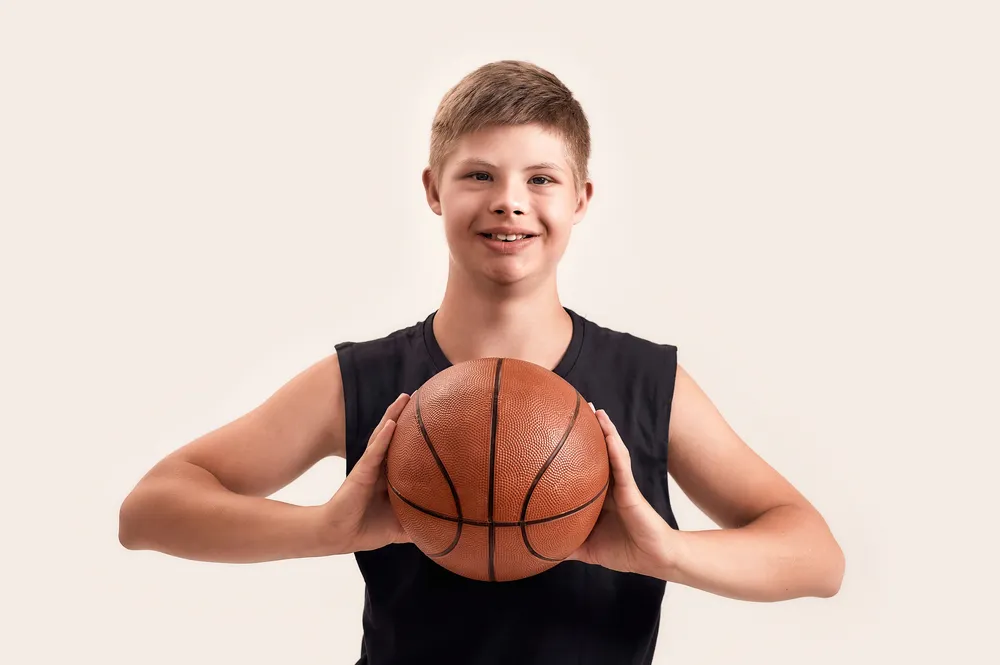
The Fit First Family Approach: Inclusive Youth Fitness in Orange County
At Fit First Family, inclusive youth fitness is woven into every aspect of our coaching philosophy.
Our programs serve families throughout Irvine, Newport Beach, Fountain Valley, Costa Mesa, Huntington Beach, Aliso Viejo, and Tustin through private coaching, adaptive training sessions, and small-group fitness experiences.
We focus on building athletes from the ground up by developing physical literacy—the fundamental movement skills children need to participate confidently in any sport or recreational activity.
Rather than emphasizing wins and losses, our coaches prioritize:
- Spatial awareness
- Balance and coordination
- Core strength
- Social-emotional development
- Confidence building
- Body awareness
- Communication skills
- Motor planning
Many children entering our adaptive programs have never experienced positive athletic environments. Some have struggled in traditional leagues. Others have avoided sports entirely because previous settings felt overwhelming.
Our coaching model includes several evidence-based strategies:
Sensory-Friendly Pacing
Children process information differently. Sessions are intentionally structured with predictable routines, visual demonstrations, and flexible transitions.
Coaches monitor signs of sensory overload and adjust activities before frustration escalates.
Small-Group Social Fitness
Many children benefit from learning alongside peers in supportive, low-pressure environments.
Small-group settings allow coaches to facilitate social interaction while maintaining individualized attention.
One-on-One Adaptive Coaching
Private sessions provide highly personalized instruction for children who need additional support.
Coaches can tailor every aspect of training, including:
- Communication style
- Activity selection
- Session length
- Sensory accommodations
- Movement progressions
Breaking Skills into Bite-Sized Successes
Complex movements are rarely taught all at once.
For example, when introducing soccer skills, coaches may progress through:
- Standing balance.
- Foot placement.
- Ball contact.
- Controlled movement.
- Passing with a partner.
- Small-sided game play.
These micro-successes build confidence and reduce performance anxiety.
Our experience coaching children throughout Orange County parks and partner facilities consistently shows that children thrive when movement feels achievable, fun, and socially rewarding.
The Biological and Psychological Perks of Inclusive Play
Inclusive athletics produce benefits that extend far beyond the playing field.
Physical Benefits
Gross Motor Skill Development
Running, jumping, throwing, kicking, balancing, and changing direction strengthen foundational movement patterns.
Children with strong gross motor skills often demonstrate improved participation across academics, recreation, and daily activities.
Vestibular System Activation
The vestibular system, located within the inner ear, helps regulate balance, spatial orientation, and movement.
Activities such as:
- Swinging
- Hopping
- Rolling
- Climbing
- Rotating
- Skipping
provide valuable vestibular input that supports body awareness and coordination.
Improved Coordination
Inclusive youth fitness encourages bilateral coordination—the ability to use both sides of the body together effectively.
This skill supports everything from sports performance to handwriting and self-care tasks.
Increased Physical Activity Levels
Many neurodivergent children participate in less daily physical activity than their peers. Inclusive programming helps establish sustainable movement habits and lifelong wellness behaviors.
Psychological Benefits
Reduced Anxiety
Predictable, supportive environments reduce performance pressure.
Children frequently report feeling calmer and more willing to participate when expectations are individualized.
Greater Sense of Belonging
Belonging is one of the strongest predictors of long-term participation in physical activity.
When children feel accepted, they are far more likely to continue engaging in sports.
Increased Self-Efficacy
Success in movement translates into broader confidence.
A child who masters catching a ball may subsequently demonstrate increased willingness to try new social or academic challenges.
Development of Lifelong Movement Identity
Children who enjoy early physical experiences are significantly more likely to remain active throughout adolescence and adulthood.
The ultimate goal is not simply athletic performance. It is nurturing a lifelong relationship with movement.
Overcoming the “Pay-to-Play” and Equipment Barrier
Cost remains one of the largest obstacles preventing children from participating in sports.
Registration fees, uniforms, equipment, travel expenses, and private instruction can quickly become overwhelming for families.
Organizations supporting the broader Every Kid Sports mission are helping bridge these gaps.
The national non-profit Every Kid Sports provides financial assistance grants that help qualifying families cover youth recreational registration costs.
These programs have expanded access for thousands of children nationwide.
Local organizations throughout Orange County also work to reduce barriers by:
- Offering scholarship opportunities.
- Lending adaptive equipment.
- Providing reduced-cost introductory programs.
- Hosting community-sponsored clinics.
- Partnering with nonprofit organizations.
Adaptive equipment itself can sometimes be expensive. Specialized bicycles, sensory supports, or modified athletic devices may require additional investment.
At Fit First Family, coaches often begin with simple, cost-effective modifications rather than specialized equipment whenever possible. Soft balls, visual markers, agility ladders, and structured coaching techniques frequently provide meaningful accommodations without creating financial strain.
Families should never assume sports participation is out of reach because of cost. Many community resources now exist to ensure Every Kid Sports remains achievable.
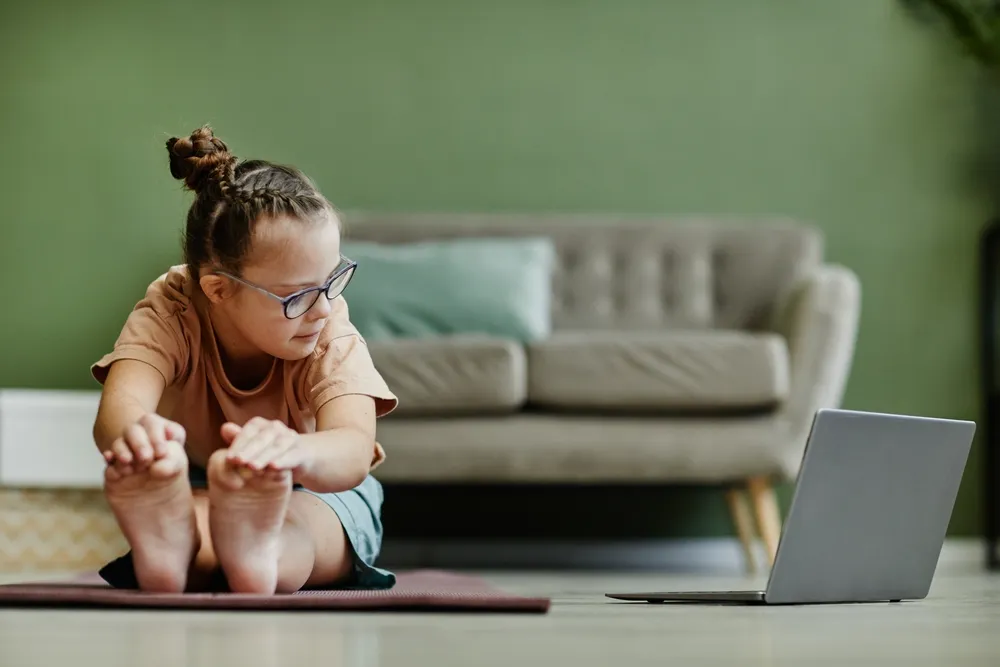
A Parent’s Guide: Finding the Right Fit in Southern California
Every child’s needs are unique. Finding the right environment may require exploring several options before discovering the best fit.
Below is a comparison of accessible recreation pathways available to Southern California families.
| Program Type | Best For | Key Benefits | Orange County Availability |
| Special Olympics Unified Sports | Children and teens with intellectual or developmental disabilities | Team participation, social inclusion, competition options | Regional OC chapters and seasonal programs |
| Fit First Family Private Adaptive Training | Children needing individualized support or gradual sport introduction | One-on-one adaptive coaching, sensory-friendly pacing, customized goals | Irvine, Newport Beach, Costa Mesa, Huntington Beach, Tustin |
| Small-Group Social Fitness Programs | Children building social confidence and physical literacy | Peer interaction, structured movement, low-pressure environment | Various OC park and partner locations |
| Challenger Baseball Divisions | Athletes with physical or developmental disabilities | Modified baseball experience with peer buddies | Multiple Southern California leagues |
| Municipal Adapted Recreation Programs | Families seeking community-based recreation | Lower cost, broad activity selection | City recreation departments throughout Orange County |
When evaluating programs, parents should ask:
- What accommodations are available?
- How are coaches trained?
- Are sensory supports provided?
- What is the participant-to-coach ratio?
- Is the environment competitive or developmental?
- Can my child observe before participating?
- How are behavioral or sensory challenges handled?
The right program should leave children feeling successful, supported, and excited to return.
FAQ
1. What is the difference between adapted sports and unified sports?
Adapted sports modify activities, equipment, or rules to meet individual needs, while unified sports bring athletes with and without disabilities together on the same team.
2. Are there inclusive youth fitness programs in Orange County?
Yes. Orange County offers several inclusive programs, including Fit First Family’s adaptive coaching, Special Olympics Unified Sports, and local recreation programs designed for children of all abilities.
3. Can children with autism participate in sports?
Absolutely. Many children with autism thrive in sensory-friendly youth athletics and small-group or one-on-one coaching environments that provide individualized support.
4. What are the benefits of inclusive youth sports?
Inclusive sports help children improve physical literacy, coordination, social skills, confidence, emotional regulation, and overall health while fostering a strong sense of belonging.
5. Does Every Kid Sports provide financial assistance for youth sports?
Yes. The national Every Kid Sports organization offers qualifying families grants that help cover recreational youth sports registration fees.
Conclusion: Keeping the Joy in the Game
The future of youth athletics belongs to programs that recognize every child deserves access to movement, connection, and confidence-building experiences.
Whether through adapted sports programs, unified sports, sensory-friendly youth athletics, or individualized coaching, inclusive recreation is transforming communities across Orange County.
At Fit First Family, we’ve witnessed firsthand how children flourish when competition becomes secondary to belonging, growth, and joy. The goal is not to create elite athletes overnight. The goal is to help every child discover that movement can be fun, empowering, and deeply meaningful.
Because when we truly embrace the principle of Every Kid Sports, everybody wins.

Blog Author : Adam Krell
Author Bio :
Adam is the Founder and Head Coach at Fit First, bringing years of experience in youth fitness, athletic development, and child education. Specializing in fitness, tennis, baseball, and boxing, he combines professional athletic coaching with a strong educational background to help children build confidence, leadership, coordination, and healthy lifelong habits.
With a B.S. in Behavior Psychology focused on Child Development and Special Education, Adam understands how to create supportive and motivating environments for children of different ages and developmental stages. His experience as an Elementary School Special Education Teacher allows him to connect with kids through patience, structure, and individualized guidance.
As a Certified NASM Advanced Trainer and Certified EMT-B, Adam prioritizes both performance and safety in every youth fitness program. Through Fit First, he is committed to helping children across Southern California grow stronger physically, emotionally, and socially through expert coaching and positive athletic experiences.