Your child enjoys kicking a ball at home, but a busy group class feels different. Should you look for individual coaching, try a team, or explore both? The choice can feel overwhelming when program descriptions reveal little about what participation actually involves.
Choosing sports for autistic kids starts with the child’s interests and the support available in the setting. The sport’s name alone cannot tell you whether the experience will feel welcoming.
This guide compares individual and team activities and gives you practical questions to ask before enrolling.
Start With Your Child’s Interests
Begin with an activity your child wants to explore, then consider how it can be delivered accessibly.
Ask what they enjoy: kicking, throwing, running, following movement sequences, or practicing a familiar skill. Offer pictures, demonstrations, or choices if those make the conversation easier.
Agree on a meaningful starting goal. It might be enjoying movement, learning one skill, or playing alongside a friend. The American Academy of Pediatrics encourages families to involve children in choosing activities and explore adaptations that support participation.
Avoid deciding that a child belongs in one format solely because they are autistic.
Individual vs. Team Sports: What Changes?
Individual and team sports differ in how participants practice, interact, and respond during play. However, the coaching format can change those demands considerably.
An individual sport can be taught in a group. A team sport can begin with private skill practice. Compare the actual session rather than relying on its category.
| Factor | Individual-Focused Practice | Team-Based Play |
| Main task | Practicing a personal skill or goal | Working toward a shared objective |
| Interaction | May involve a coach, partner, or classmates | Usually involves coordinating with teammates |
| Pace | Can sometimes be adjusted around one learner | May change as other players move |
| Instructions | May focus on one movement at a time | May involve rules, roles, and changing situations |
| What to check | Group size, waiting time, feedback, and sensory conditions | Role clarity, contact, transitions, and available adaptations |
These are comparison points, not predictions about your child. A small qualitative pilot study found varied parental preferences, including interest in both individual and group activities; it does not establish a universally better format.
Individual Sports for Autistic Children
Individual-focused activities may suit a child who wants to repeat a skill, choose a manageable pace, or receive more direct instruction.
Tennis practice, running activities, or non-contact martial arts drills are possibilities to investigate. Ask what the lesson involves rather than assuming it will be quiet, predictable, or taught one-to-one.
For example, a tennis session might begin with rolling a ball toward a target before introducing a racket. The starting point should reflect the child’s interest and current skills.
Fit First’s One-on-One Training describes customized workouts, tailored goals, and individual coaching. Explore this format if you want to discuss practice centered on your child’s preferences.
Team Sports for Autistic Children
Team sports can be an option when a child enjoys shared games and the program provides suitable support.
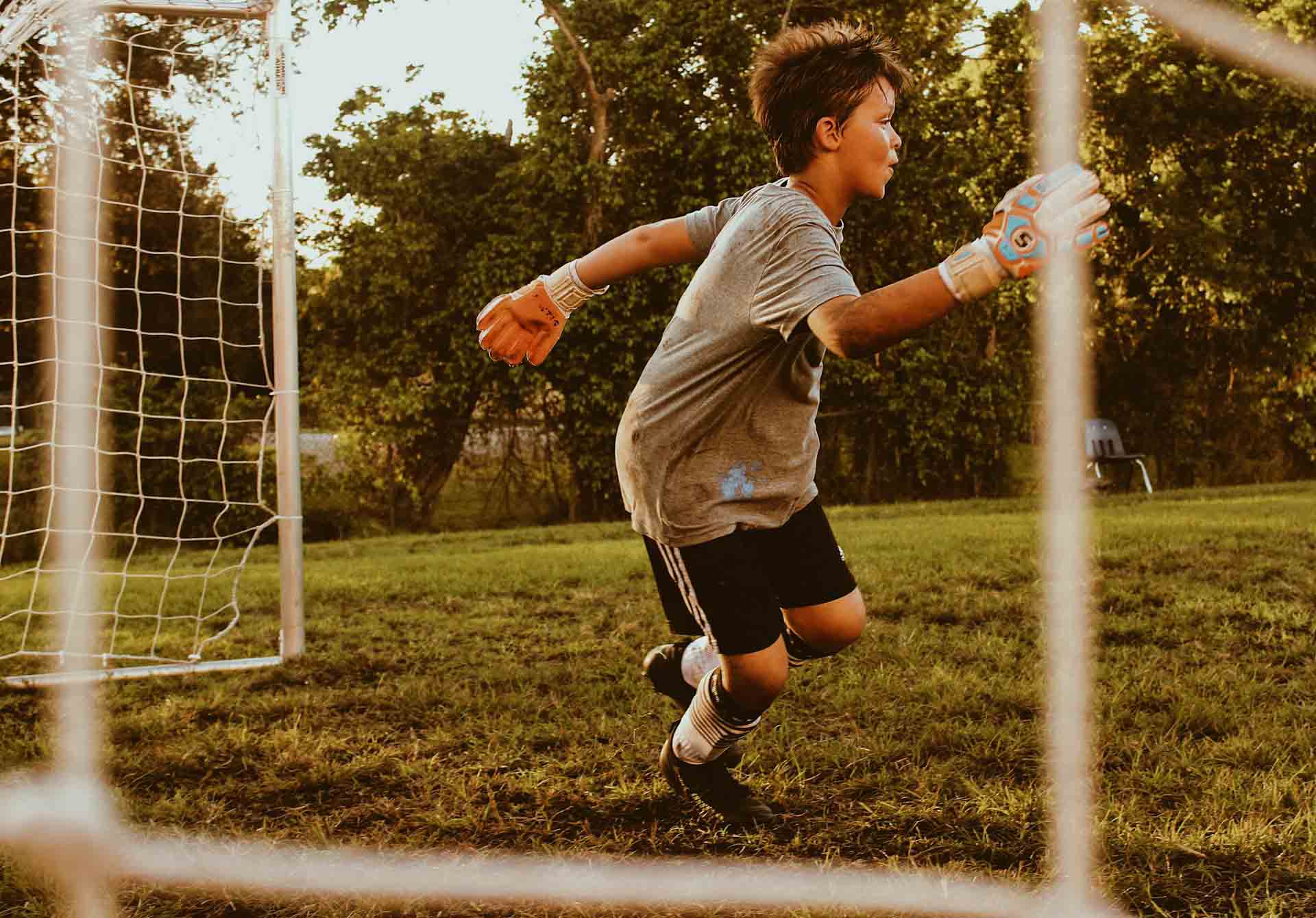
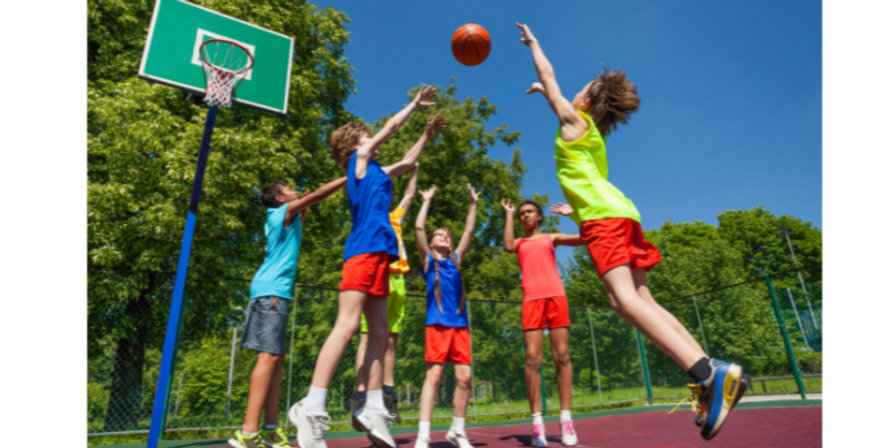
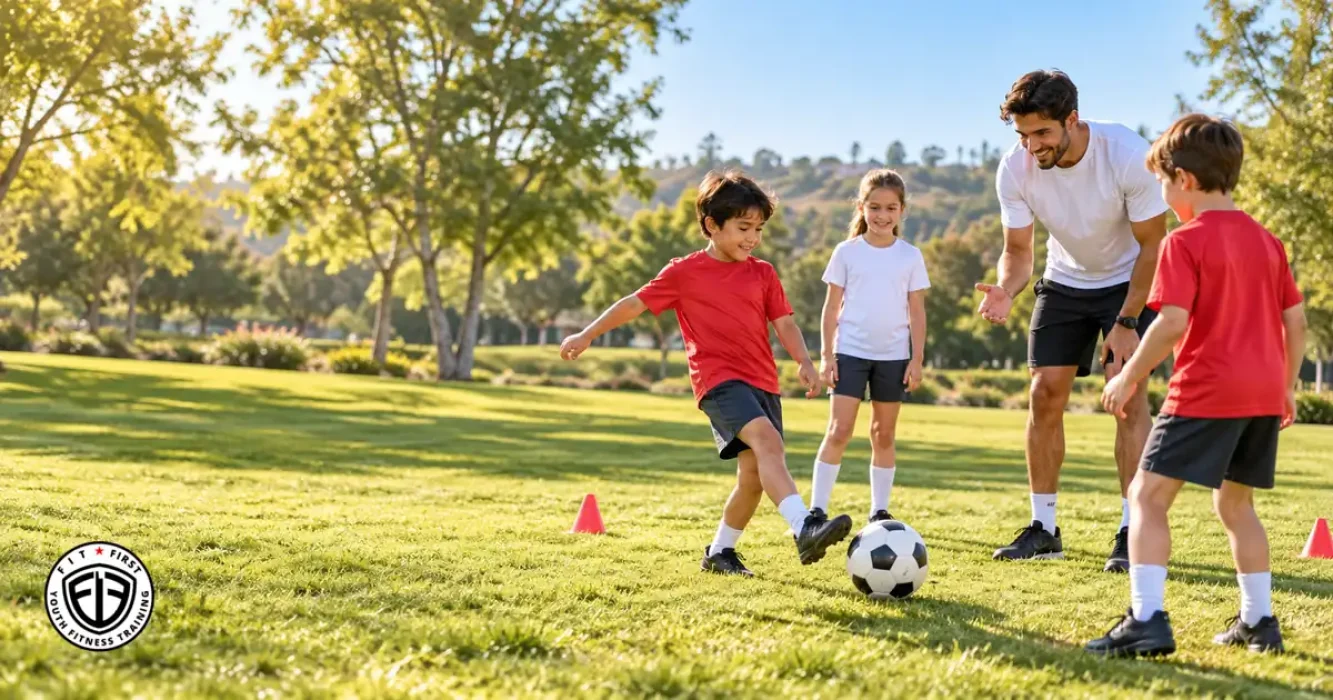
Soccer or basketball participation can begin with a clearly explained partner activity instead of a full match. A child might practice passing with one teammate, then decide whether they want to join a larger game.
Ask how coaches explain roles, manage waiting, and respond when someone needs a break. Team participation should offer meaningful involvement rather than pressure to keep pace without support.
Fit First’s adaptive fitness program includes an Autism Fitness Program and describes structured routines, adapted exercises, and group activities. Review the program and ask which arrangements are available for your child.
Choosing Sports for Children With Autism
Choose through a practical comparison of interest, environment, instruction, and support. Use the following steps to narrow your options.
1. Separate the Sport From the Setting
Identify what your child likes about the activity before choosing the class.
A child may enjoy soccer skills but find a crowded match uncomfortable. Another may prefer a team game to practicing alone.
Compare the venue, group size, lesson structure, and competitive expectations. Changing the format may be worth exploring before abandoning an activity the child enjoys.
2. Check Sensory Conditions
Visit the actual space and ask what it is like during a session.
Consider whistles, bouncing balls, lighting, clothing, equipment textures, and nearby activities. An outdoor class can still be noisy or busy.
Sensory experiences vary between people and settings. The National Autistic Society explains that input others barely notice can cause discomfort or pain for some autistic people, so concerns deserve attention.
3. Look at How Instructions Are Given
Choose coaching that can make the next action understandable.
Ask whether the coach can demonstrate a movement, explain one step, and allow time for a response. Discuss your child’s preferred communication method, including speech, gestures, pictures, or a communication device.
A useful instruction might be, “Roll the ball to this cone.” Ask how the coach checks understanding without repeatedly adding more directions.
4. Agree on Support Before Starting
Discuss adaptations before the child arrives.
Depending on their needs, you might ask about shorter turns, clear activity boundaries, a predictable session order, or an agreed way to request a break.
Confirm who will provide support and what happens if the plan needs changing. A general statement that a class is inclusive should lead to a specific conversation about participation.
5. Include Your Child in the Decision
Give your child an accessible way to express a preference before and after trying an activity.
They might choose between pictures, demonstrate a favorite movement, or communicate through their usual method. Ask what they enjoyed and what they would change.
Avoid treating attendance alone as evidence that the program fits. Consider their feedback alongside what you observe during and after the session.
Questions to Ask an Autism-Friendly Sports Program
Ask providers for concrete examples of how they adapt instruction and participation.
Useful questions include:
- What does a typical session look like?
- How many children and coaches attend?
- How do you explain unfamiliar movements?
- Can my child observe or meet the coach beforehand?
- How are breaks and changes handled?
- What happens if a child does not want physical contact?
- How do you support different communication preferences?
The National Autistic Society recommends respecting communication preferences, using clear instructions, offering demonstrations where helpful, and allowing opportunities to explore a setting before the first session. Eye contact should not be treated as proof that someone is listening.
Evaluate the Experience Before Committing
Look for enjoyment, understandable instruction, and support that works in practice.
After an introductory visit or session, consider whether your child could access the activity and communicate their needs. Notice whether the coach followed the arrangements you discussed.
A useful observation is specific: “The waiting period was difficult, but the passing activity was enjoyable.” That gives you something to discuss.
If appropriate, ask whether changing one feature,such as the group size, time, or activity sequence,could help. Your child can also choose to stop or explore another option. Participation should remain responsive to their experience.
When to Talk to a Professional
Seek individual guidance when health, pain, movement difficulties, or persistent distress affect participation.
Your child’s pediatrician can discuss activity suitability and whether another professional could help with specific access needs. The American Academy of Pediatrics recommends discussing sports and recreation options that meet the individual child’s needs. HealthyChildren.org
A recreational sports program should not be presented as treatment for autism or a substitute for appropriate healthcare.
Find a Format Your Child Can Enjoy
Choose an activity and setting that respects your child’s interests, communication, and support needs. Individual practice, team play, or a combination can remain options as those preferences develop.
To discuss available formats in Orange County, contact Fit First with your child’s interests and the arrangements that help them participate.
Frequently Asked Questions
Are Team Sports Suitable for Autistic Children?
They can be, depending on the child’s preferences and the program’s support. Assess the actual activities, sensory conditions, role expectations, and adaptations rather than assuming team sports are unsuitable.
Does an Individual Sport Mean One-on-One Coaching?
No. An individual sport may be taught in a group, and skills used in team sports can be practiced privately. Confirm the teaching format, group size, and amount of individual attention before enrolling.
What If My Child Does Not Enjoy the First Session?
Ask what felt difficult and whether a specific change could make the experience more accessible. Avoid forcing repeated attendance through distress; another format, coach, or activity may be a better option.
Can My Child Participate Without Using Spoken Language?
Spoken language should not automatically determine whether a child can participate. Discuss their communication method, how instructions will be made accessible, and how they can request help or a break before starting.