
Your child wants to join a playground game, then stops beside you. Or they abandon a puzzle after one difficult piece and announce, “I’m no good at this.” You want to encourage them, but another “You can do it!” doesn’t seem to help.
Understanding how to build confidence in kids starts with creating manageable opportunities to try, learn, and contribute. Children need chances to experience progress and discover that a mistake does not end the activity.
These 12 activities give you practical ways to support that process at home, school, and in groups—without turning everyday play into a performance.
What Helps Children Build Confidence?
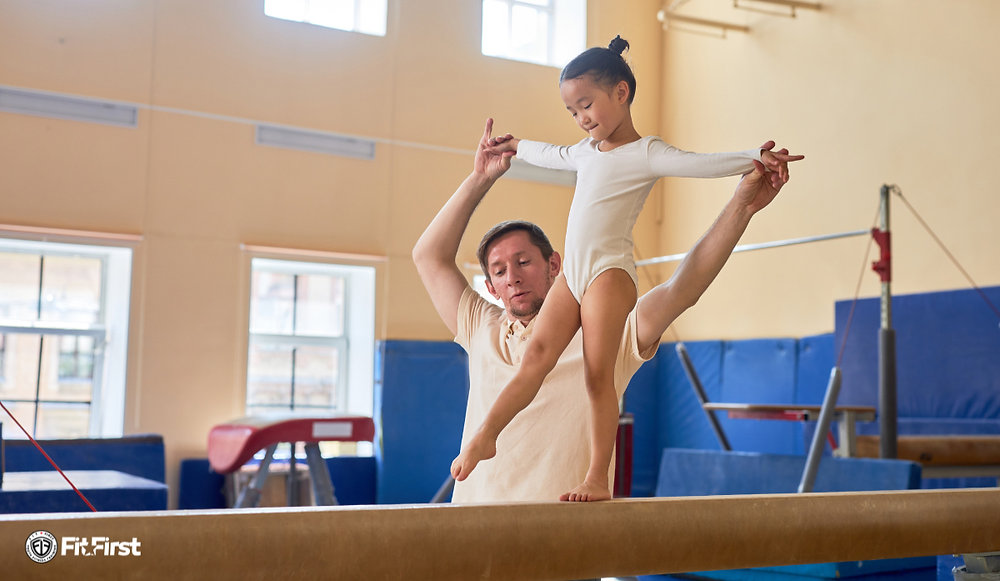
Children build confidence through achievable challenges, useful feedback, and steady support.
A confident moment might be asking for help, explaining an idea, or trying a different approach. Being outspoken or winning a game is only one possible part of the picture.
Choose tasks that stretch your child a little while leaving room for success. Recognize something specific: “You moved closer before throwing again.” Keep your warmth consistent when things go wrong. Child Mind Institute recommends manageable goals, celebrating effort, and showing children that love does not depend on achievement.
Confidence-Building Activities for Kids at Home
Home activities provide familiar opportunities to practice independence and recognize progress.
1. Give Them One Meaningful Responsibility
Choose a useful task your child can complete with appropriate support.
They could arrange napkins, match socks, or check their bag for a water bottle. Demonstrate first, then give them time to try.
Say, “You helped us get everything ready.” Resist correcting harmless imperfections. The American Academy of Pediatrics identifies age-appropriate chores as opportunities to develop responsibility, belonging, and confidence.
2. Let Them Teach You Something
Invite your child to explain something they already enjoy.
Ask them to show you a dance move, describe a game, or demonstrate a drawing technique. Follow their instructions and ask an interested question: “How did you choose that part?”
Let them communicate through words, pictures, or movement. Give their knowledge your attention without testing them or taking over the lesson.
3. Practice One Skill in Small Steps
Break a difficult activity into a manageable first attempt.
For catching, start by rolling a soft ball between you. Try a short toss when your child feels ready.
If the ball misses, ask, “Would moving closer help?” Change one thing and try again. Smaller steps and calm responses to mistakes offer a practical way to approach unfamiliar tasks.
4. Make a Small-Wins Record
Save examples of things your child tried, learned, or contributed.
Use drawings or short notes, such as “I asked for help with my model.” Invite your child to choose an entry and tell you about it.
Include attempts that did not work out. Keep the record optional: its purpose is to notice experiences your child might otherwise overlook, not create another assignment.
Classroom Confidence Activities for School
School activities work best when parents and teachers agree on predictable opportunities to participate.
5. Rehearse One Classroom Contribution
Practice one contribution your child would like to make.
They might share a sentence about a book, show a drawing, or ask a question. Rehearse briefly at home and discuss the plan with their teacher.
Offer a manageable starting point, such as sharing privately first. Afterward, ask what felt comfortable and what they would like to try next.
6. Share With a Partner First
Let children discuss an idea with one peer before sharing more widely.
For a story activity, partners might choose a favorite moment and draw it together. One child could explain while the other holds the picture.
Make the next step clear beforehand. Avoid surprise presentations, and provide another way to contribute when speaking to the whole class feels too difficult.
7. Choose a Helpful Classroom Role
Offer a responsibility that fits the child’s interests and abilities.
Organizing art supplies, selecting a display book, or counting game pieces are possible options. Give clear directions and enough time to finish.
Notice the contribution: “You checked that every table had pencils.” Rotate roles so every child gets opportunities to help, rather than reserving them for the most outgoing students.
8. Practice Asking for Help
Rehearse a specific request your child can use when they feel stuck.
Try “Could you show me the first step?” or “I need a little more time.” Practice with a pretend classroom problem.
A written note, agreed signal, or communication device can serve the same purpose. Work with the teacher to choose an approach your child can use comfortably.
Group Activities for Kids’ Confidence
Group activities give children ways to contribute and practice communication through shared play.
9. Complete a Cooperative Challenge
Give children a shared task with several ways to participate.
Try passing a soft ball around a circle. Children can roll, hand over, or toss the ball, depending on their needs.
After a missed pass, invite the group to suggest a change. Ask, “What helped us work together?” Keep everyone involved and avoid eliminating children when they make mistakes.
10. Take Turns Leading a Movement
Invite each child to choose one movement for others to copy.
Offer simple options such as reaching upward, tapping knees, or marching gently. Provide seated versions and keep the space clear.
Children can demonstrate silently, lead with a partner, or choose a movement card. Keep turns brief and optional. Adults should model following each child’s choice respectfully.
11. Practice Joining a Game
Rehearse an approach before trying it with other children.
Your child could ask, “Can I join the next round?” A younger child might offer a ball to a familiar peer.
Explain that a game may already be full. Practice an alternative, such as asking someone else or suggesting another activity. A plan can make the situation more predictable without promising a particular response.
12. Notice a Teammate’s Contribution
Help children recognize specific things others did during play.
Examples include “You explained the rules” or “You made room for my turn.” Adults can model these observations naturally.
Children may speak, write a note, or listen. Avoid ranking players or requiring compliments. Notice contributions such as patience, cooperation, and clear communication alongside physical skills.
For guided group practice, explore Fit First’s Socializing Fitness program. Its website describes team movement activities, communication practice, and supportive coaching for children ages 6–15.
Adapt the Activities to Your Child
Adjust the task and setting to your child’s current abilities, interests, and preferences.
Younger children may need one-step instructions and shorter turns. Older children can help choose goals and discuss what worked.
Offer demonstrations, extra processing time, quieter spaces, or different ways to communicate. Ask what would make participation easier rather than assuming.
Fit First also offers One-on-One Training, with tailored goals and progress tracking described on its website. Explore individual coaching if you want to discuss practice focused on your child’s interests and goals.
When to Talk to a Professional
Seek guidance when distress persists or interferes with everyday life.
If worries, withdrawal, or negative self-talk last for weeks, cause significant distress, or affect school, friendships, or home life, speak with your child’s pediatrician or a qualified mental health professional. These are reasons to seek individual guidance rather than assume the child simply needs more practice.
Start With One Small Opportunity
Choose one activity together and make the first attempt manageable.
Notice what your child tried, ask what helped, and use their response to plan the next opportunity. Repeating a familiar activity is fine; progress does not require constant novelty.
For help exploring an activity or format, contact Fit First to discuss your child’s interests, goals, and support needs.
Frequently Asked Questions
Can a Shy Child Still Be Confident?
Yes. A child can prefer quieter settings while feeling capable in familiar activities. Give them time to become comfortable, and focus on participation they want to explore rather than trying to change their personality.
What Should I Say When My Child Says “I’m Bad at Everything”?
Start with curiosity: “Something felt really difficult today. Tell me about it.” Listen before discussing a specific experience and a manageable next step, rather than immediately demanding positive self-talk.
Why Is My Child Talkative at Home but Quiet at School?
Children’s comfort can vary between settings and situations. Ask their teacher when participation feels easier and discuss a predictable way to contribute; persistent distress deserves individual guidance.
Should I Push My Child to Join an Activity?
Offer encouragement and a manageable next step while listening to their concerns. Watching first or participating briefly may be a useful starting point, but avoid shaming, surprise demands, or dismissing ongoing distress.